15 hr
Tangier Day Trip from Seville with Guide & Lunch
- Expert local guide
- Small group
- Skip-the-line access
- Free cancellation
Seville to Morocco Day Trip — Ferry Crossings & Tangier Tours
Cross the Strait of Gibraltar by ferry, step into Africa's medinas and souks within hours
Compare fares, pick the fit — all bookings are mobile-voucher and eligible for free cancellation where shown.
15 hr
15 hr
15 hr
| Experience | From | Duration | Rating | Lunch | Guide | Free cancel. | Price | |
|---|---|---|---|---|---|---|---|---|
|
Guided Experience
Most popular
Tangier Day Trip from Seville with Guide & Lunch
|
Seville | 15 hr | ★ 4.3 | ✓ | ✓ | ✓ | €219 | Book → |
|
Guided Experience
Seville to Tangier Full-Day Morocco Excursion
|
— | 15 hr | ★ 4.0 | ✓ | ✓ | ✓ | $249 | Book → |
|
Luxury / Private
Private Gibraltar & Tangier Day Tour from Seville
|
Seville | 15 hr | ★ 4.7 | — | ✓ | ✓ | €750 | Book → |
Hand-picked experiences loved by thousands of travelers
2 to 4 days
Free Cancellation
Cross into Africa by ferry and explore Tangier, with optional extensions to Chefchaouen and Tetouan
11 hours
Free Cancellation
Cross into British territory for caves, wild monkeys, stunning views of two continents, and tax-free shopping
13 hours
Journey from Seville to explore Granada's magnificent Alhambra fortress and wander the medieval Albaicín quarter
10 hours
Free Cancellation
Explore two historic Andalusian gems with guided walks through UNESCO sites and stunning countryside views
10 hours
Free Cancellation
Journey through Andalusia's stunning countryside to explore mountain villages, taste olive oil, and discover historic Ronda
10 hours
Free Cancellation
Discover the cultural treasures of Córdoba on a full-day guided excursion from Seville with priority entry
Disembark ferry and meet guide
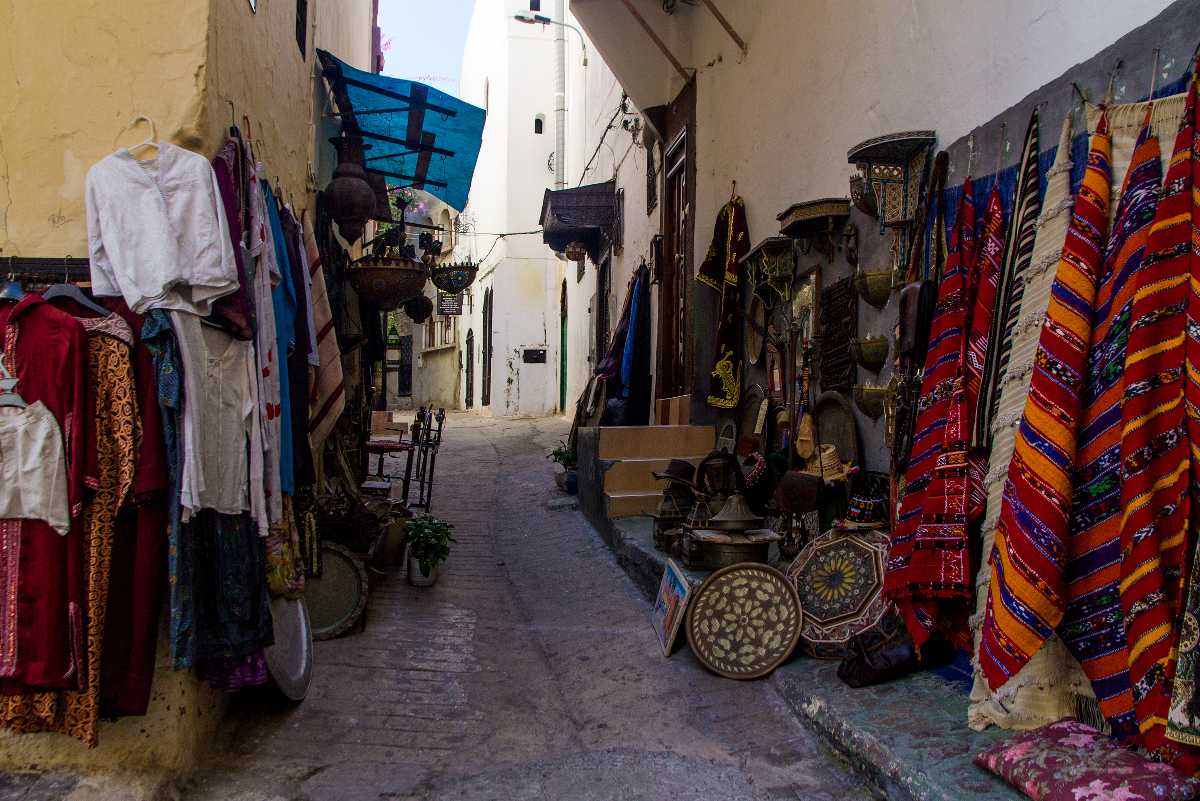
Explore the narrow alleys of the historic quarter
View artifacts at Place du Tabor
Browse spices and goods at the souk
You board the coach in central Seville before dawn, rolling southwest through Andalusian olive groves as the sky lightens. Two hours later, Tarifa's ferry terminal appears, the crossing point where Europe ends. You clear Spanish passport control, then climb the gangway onto a high-speed catamaran.
The engines hum, and within minutes the Spanish coast recedes into haze.
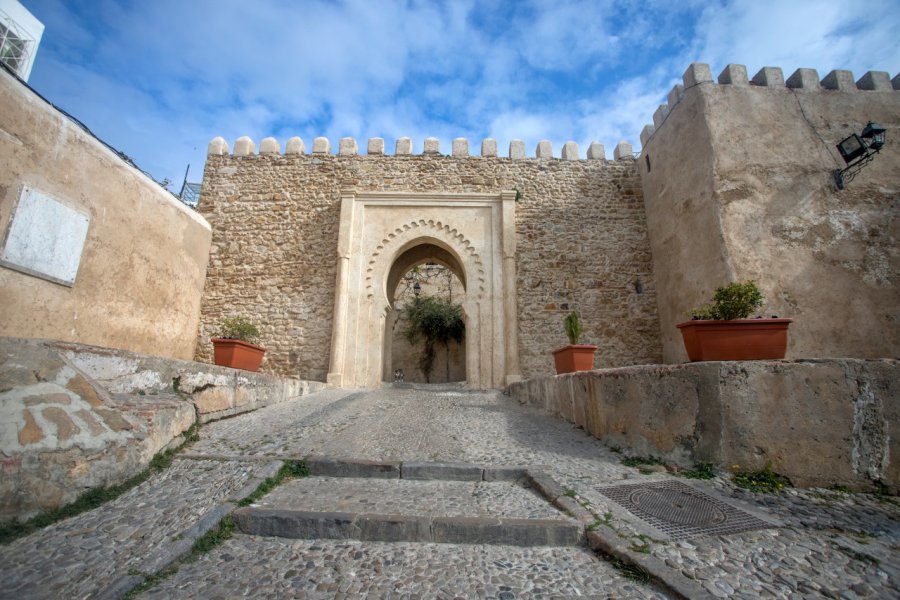
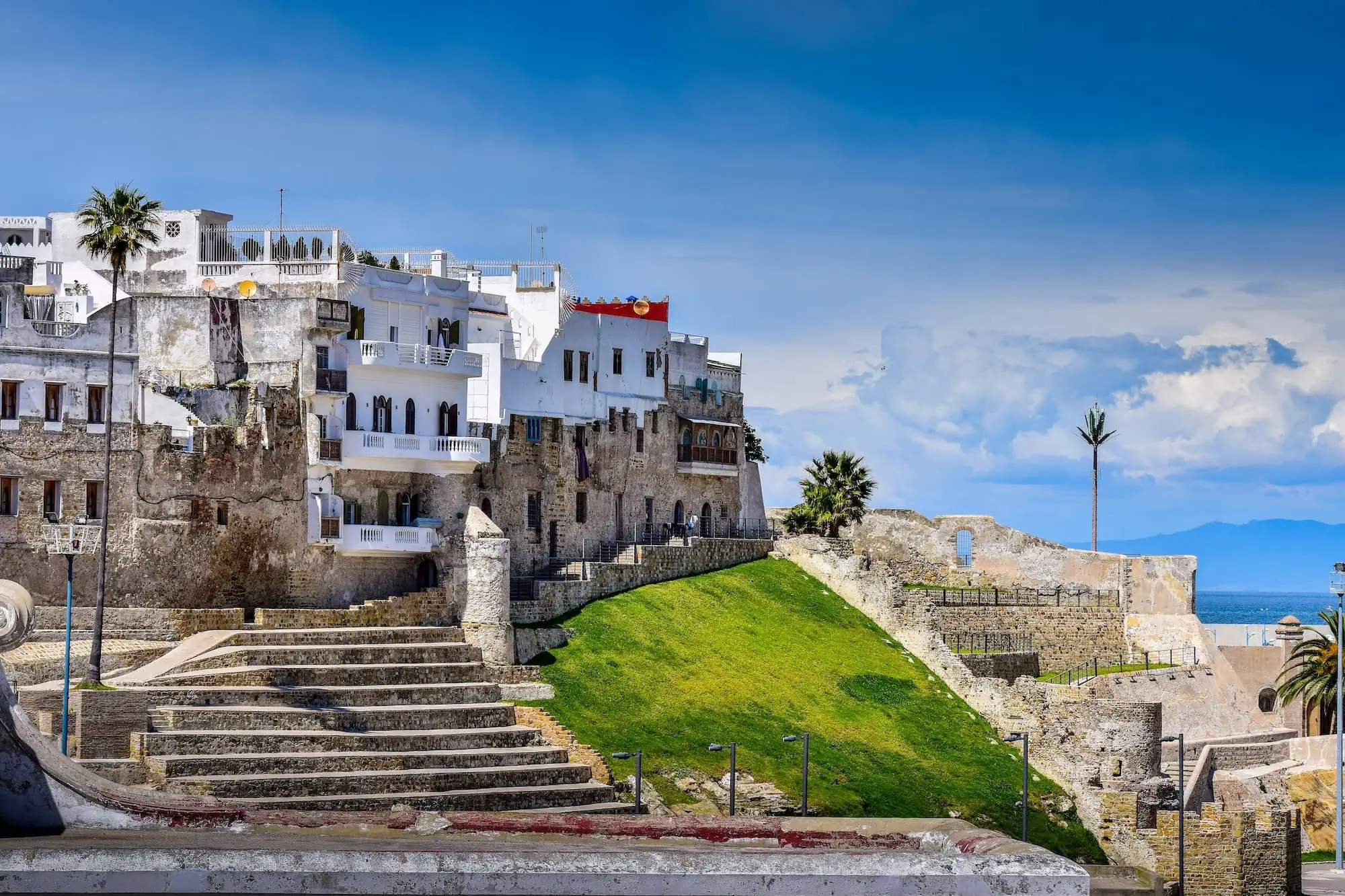
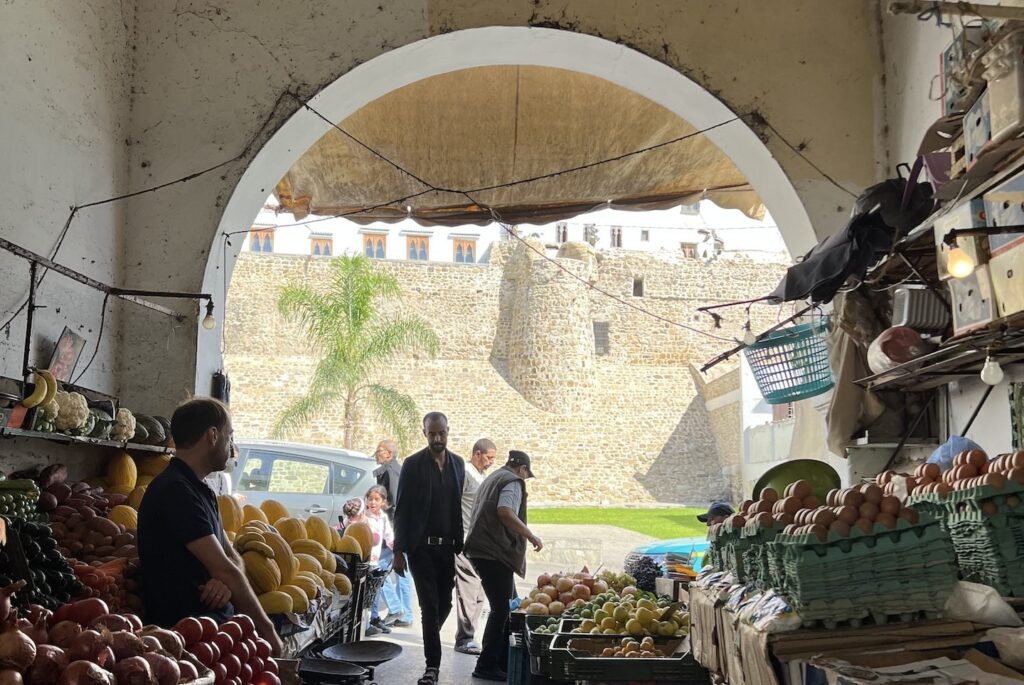
Ninety minutes across open water, and Tangier's white cubes resolve against green hills. Moroccan officials stamp your passport. You step into the medina through Bab el Fahs, the Gate of Examination, where your guide leads you uphill through narrowing alleys. Vendors call from doorways; the air smells of grilled kebabs and fresh bread. You reach the Kasbah's ramparts and pause—Spain visible across the strait, Africa stretching southward behind you.
The afternoon accelerates: mint tea in a tiled courtyard, a carpet shop demonstration, the Grand Socco's spice pyramids photographed under harsh sun. By four o'clock you are back at the port, passport stamped again, ferry engines starting. The return crossing feels faster. You reach Seville after dark, the medina's call-to-prayer still echoing faintly in memory, six hours collapsed into sensory fragments that will take days to assemble.
All the details about your upcoming adventure in one place
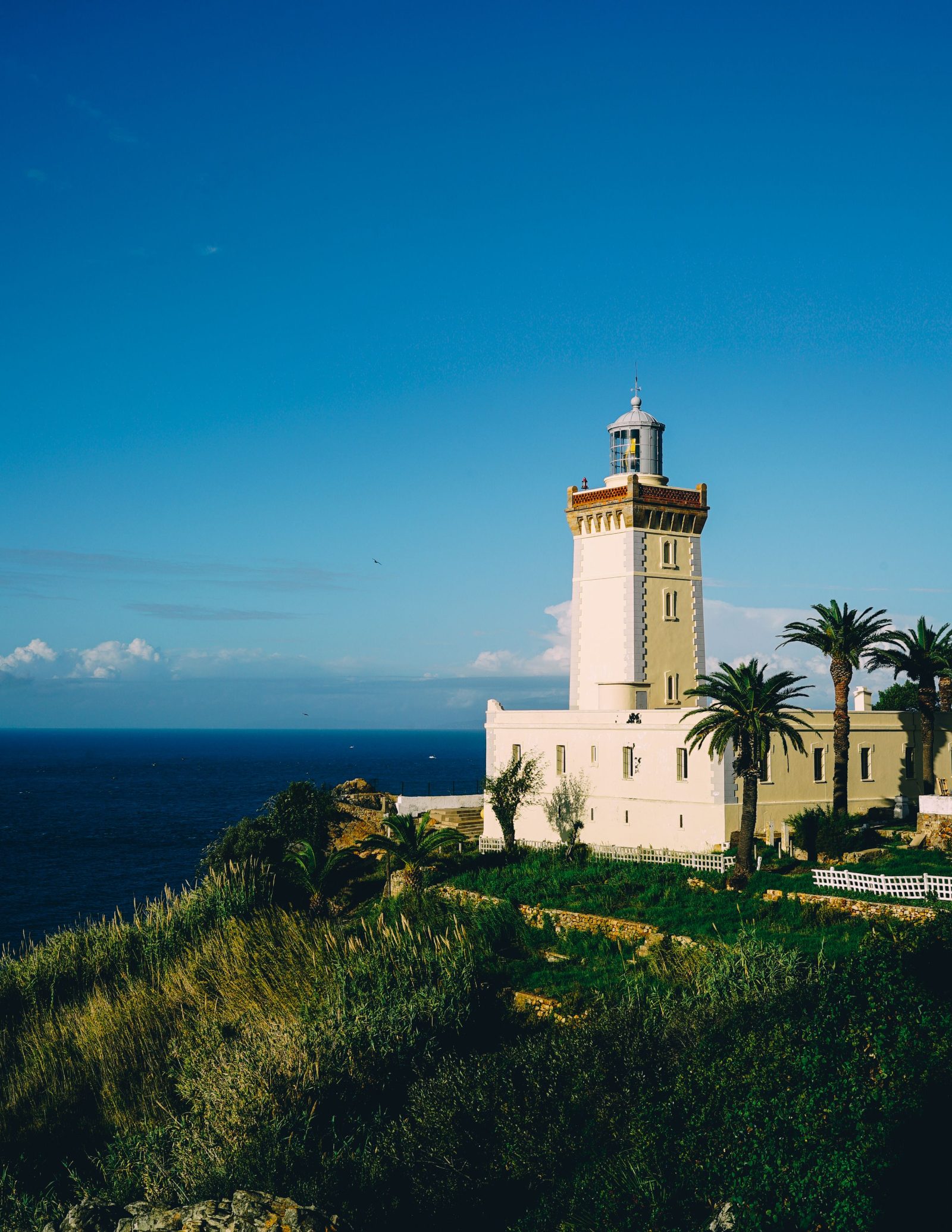
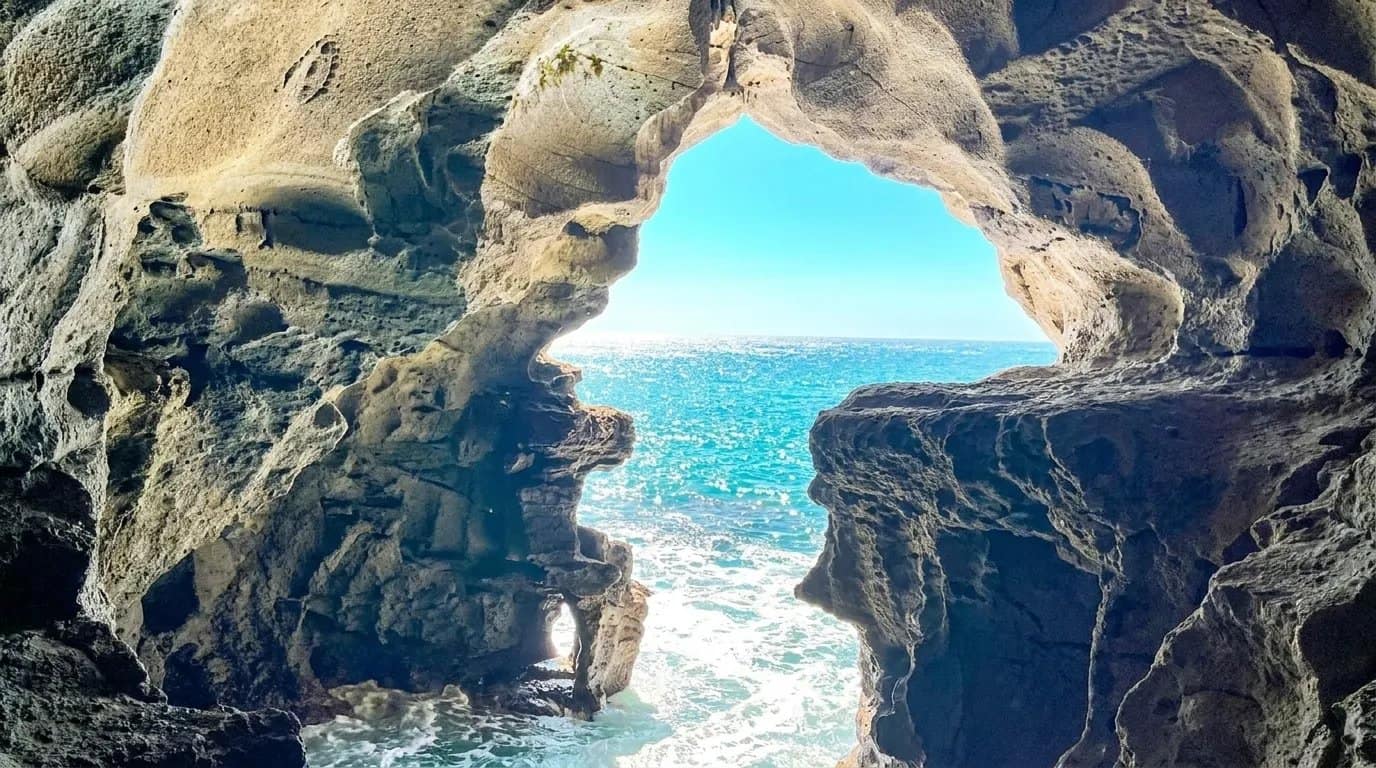
A seville to morocco day trip brings you from Andalusia across the Strait of Gibraltar to Tangier's medina, souks, and coastal views. Ferry crossings connect the continents in roughly 90 minutes, with organized seville to morocco day trip tours handling border formalities and transport. Explore the Kasbah, Cap Spartel lighthouse, and the Caves of Hercules during your cross-continental excursion.
The Strait of Gibraltar narrows to just fourteen kilometers at its closest point, a marine corridor that has divided Europe from Africa for five million years yet linked Andalusia to the Maghreb for millennia. Roman galleys, Umayyad fleets, and Barbary corsairs all navigated these currents.
Today, high-speed ferries complete the crossing in under ninety minutes, depositing passengers onto African soil in Tangier, a port city whose whitewashed medina climbs steep hillsides above the harbor.
Seville to Morocco day trip packages departed sporadically until the mid-2000s, when improved ferry infrastructure and bilateral visa agreements made same-day excursions viable for European travelers. The route now carries over half a million cross-strait visitors annually, most arriving via organized tours that coordinate ferry schedules, Moroccan entry procedures, and guided walks through Tangier's historic core. Independent travelers face tighter logistics: Spanish departure ports require advance booking, Moroccan customs can delay foot passengers, and return ferries depart on fixed evening schedules with no buffer for missed connections.
Tangier itself occupies a strategic promontory where the Atlantic meets the Mediterranean. The medina's labyrinthine alleys date to the Phoenician settlement of Tingis, later expanded under Roman, Berber, and Arab rule. Portuguese forces captured the city in 1471, followed by Spanish and British occupations, before Morocco reclaimed sovereignty in 1956. This layered history left architectural strata: Andalusian tile work in merchant houses, French colonial arcades along Boulevard Pasteur, and the Kasbah's Dar el Makhzen palace, now a museum housing Roman mosaics excavated from Volubilis and medieval manuscripts in Maghrebi script.
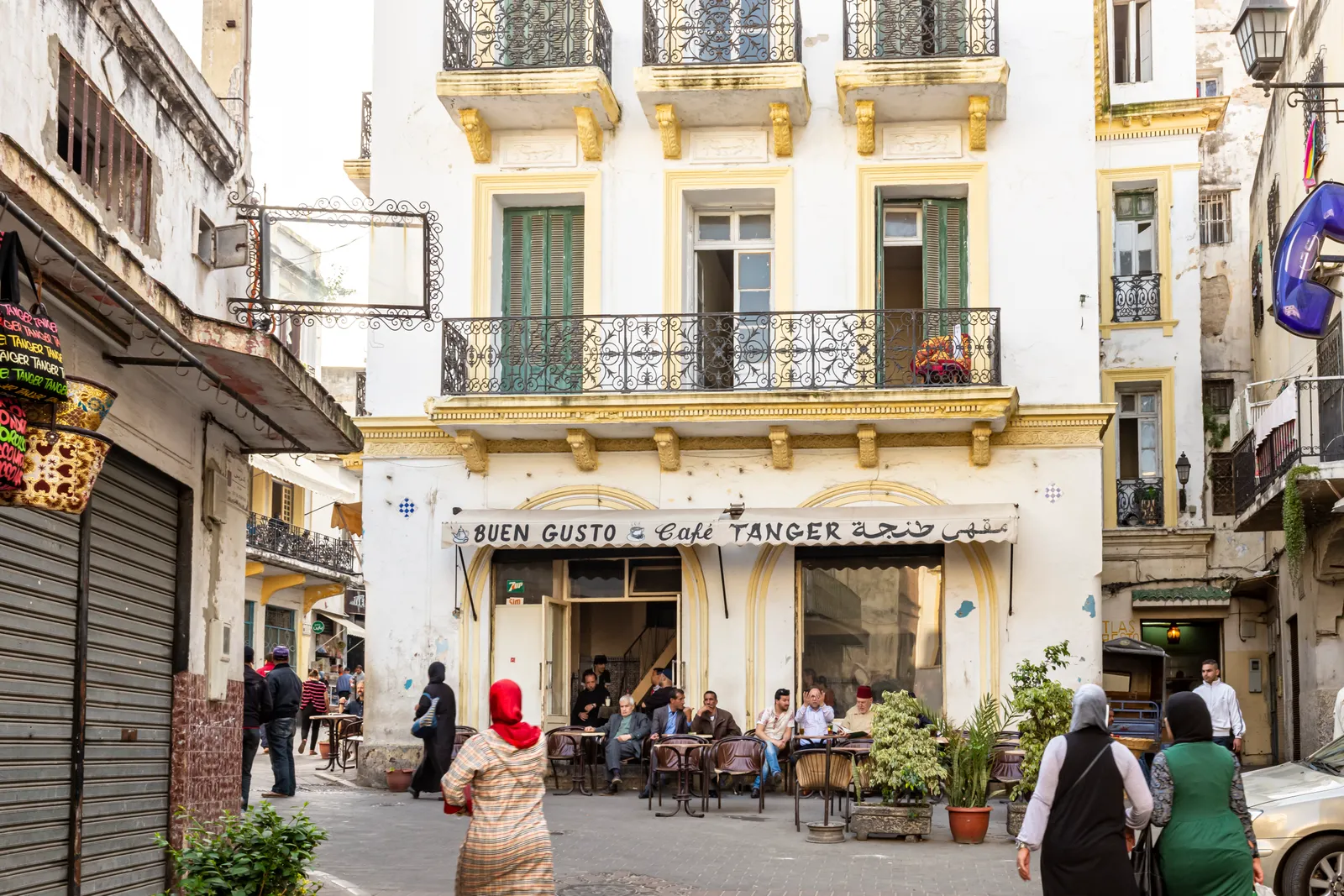
The medina's commercial quarter, the Grand Socco, functions as the threshold between European and Moroccan Tangier. Spice vendors arrange pyramids of saffron and cumin beside Berber carpet stalls, while the Petit Socco's café terraces—once frequented by Paul Bowles and William S. Burroughs during the city's International Zone era—serve mint tea in etched glass. Day-trippers typically allocate three hours for the medina walk, including the climb to the Kasbah ramparts, which offer sightlines across the strait to the Spanish coast. Ferry departure times govern the rhythm of these tours, compressing Morocco's sensory density—call-to-prayer amplifications, tagine steam, donkey-cart traffic—into a six-hour window bounded by maritime timetables.

The Strait of Gibraltar narrows to just fourteen kilometers, a marine corridor dividing continents yet linking Andalusia to the Maghreb for millennia.
Visitors on a seville to morocco day trip should dress modestly, covering shoulders and knees to respect local customs in Tangier. Lightweight, breathable fabrics are recommended for the walk to the Kasbah Museum.
Large luggage is discouraged for a seville to morocco day trip as storage is limited. Security personnel may inspect bags before entry to historical zones.
Photography is permitted in the outdoor public areas of the Kasbah Museum. Visitors should ask permission before capturing portraits of local residents during their seville to morocco day trip.
Families participating in a seville to morocco day trip will find the open squares engaging for children. Strollers are not practical due to the 50 steps and cobblestone terrain.
The path to the Kasbah Museum involves 50 steps, making navigation difficult for those with limited mobility. Visitors on a seville to morocco day trip should assess their comfort with uneven stone walkways.
External food and drink are permitted in the public squares of the Kasbah. Consumption of meals should be confined to designated cafes away from the museum entrance during your seville to morocco day trip.
Opening Hours
09:00–18:00
Address
Kasbah Museum, Place du Tabor, Tangier, Morocco
Step Count
50
Best Arrival
09:00–11:00
Official Website
https://www.kasbahmuseum.ma
Ferry · 1h · Check schedules daily
Direct service from Tarifa to Tangier Ville
Taxi · 15m · Negotiate price before departing
Grand taxis are available for transit between the port and city center
Tours booked for a seville to morocco day trip typically require 24-hour notice for full refunds. Entrance to the Kasbah Museum is 0 MAD as public access to the area is free.
Recommended time
2-3 hours
A well-planned seville to morocco day trip allows for a focused exploration of the Kasbah Museum and surrounding labyrinthine alleyways. Visitors following seville to morocco day trip tours should allocate two to three hours to navigate the 50 step count access and absorb the artifacts within the citadel walls. Because Tangier experiences significant passenger influx from maritime traffic, booking seville to morocco day trip tickets ahead ensures your itinerary remains flexible. Arriving early provides quiet access to the narrow streets before cruise ship excursions congest the public plazas.
Crowd levels through the day
Weather · crowds · average price — dots go green to amber to red as each metric rises.
Mild temperatures and moderate crowds make this ideal for walking tours.
Expect high heat and peak cruise ship arrivals, so visit early.
Comfortable weather prevails in September and October, perfect for sightseeing.
Cooler and quieter, though occasional rain may affect ferry schedules.
Plan your arrival between 09:00–11:00 to escape the high afternoon temperatures. This timing also helps you avoid the largest cruise ship tour groups.
Carry Moroccan Dirham in cash for smaller purchases in the Medina. While some shops accept cards, smaller vendors generally prefer local currency.
Download an offline map of the Medina before your seville to morocco day trip tour. The narrow alleys can be confusing without digital assistance.
Accepting offers for unofficial tours can be overwhelming. Stick to your pre-booked seville to morocco day trip tickets or authorized guides.
The route to the Kasbah includes 50 steps. Wear supportive footwear to handle the incline comfortably.
The Kasbah Museum occupies the Dar el-Makhzen, a palace built in the seventeenth century by Sultan Moulay Ismail to consolidate Moroccan control over Tangier's strategic harbor. The site had served as a fortified residence since Phoenician settlement, but the current structure dates to 1684, when Moulay Ismail reclaimed the city from departing English forces. The palace became the administrative heart of the Tangier Faraj district, housing successive governors and their courts until the late nineteenth century. Its walls witnessed the treaties that shaped Morocco's international zone status in 1923, when fourteen nations signed the Statute of Tangier, transforming the city into a tax-free enclave that attracted European expatriates and traders. The building transitioned to museum use in 1922 under French protectorate administration, initially displaying archaeological finds from Volubilis and coastal Phoenician sites. The Kasbah Museum formally opened in 1930, curated by archaeologist Maurice de Périgny, who organized galleries around Berber ethnography and Roman mosaics recovered from nearby Lixus. Post-independence renovations in 1960 reoriented the collection toward Moroccan heritage, adding Sultan Moulay Ismail's diplomatic correspondence and ceramics from Fez workshops. Restoration work between 2008 and 2016 stabilized the courtyard arcades and introduced climate control for textile preservation. Today the museum bridges the cultural exchange that makes a seville to morocco day trip historically coherent—Andalusian refugees who fled the Reconquista settled in Tangier's medina, bringing Moorish architectural motifs visible in the palace's zellij tilework and carved cedarwood ceilings. Visitors arriving on seville to morocco day trip tours encounter this layered narrative in the Antiquities Hall, where Roman amphorae from Baelo Claudia—visible across the Strait on clear mornings—stand beside Almohad-era manuscripts. The palace garden preserves a mosaic floor depicting Orpheus, excavated in 1916 from a villa in Cotta. Cross-strait commerce shaped Tangier's identity long before modern ferry schedules; the museum's numismatic collection includes Carthaginian coins minted in both Tangier and Cádiz, evidence of integrated Phoenician trade networks that predate Roman conquest.
Sultan Moulay Ismail commissions Dar el-Makhzen palace after reclaiming Tangier from English occupation.
Statute of Tangier establishes the city as an international zone governed by fourteen foreign powers.
Maurice de Périgny opens the Kasbah Museum, displaying Roman mosaics and Berber artifacts.
Post-independence Morocco restructures the collection to emphasize national heritage and Andalusian influence.
Comprehensive restoration stabilizes palace architecture and upgrades conservation facilities.
Stand at the edge of the courtyard to capture the panoramic view of the Strait of Gibraltar and the Mediterranean Sea. This serves as a highlight for those on a seville to morocco day trip.
Position yourself at this historic stone entrance to frame the transition between the bustling city and the quiet upper fortress. It captures the architectural contrast typical of many seville to morocco day trip tours.
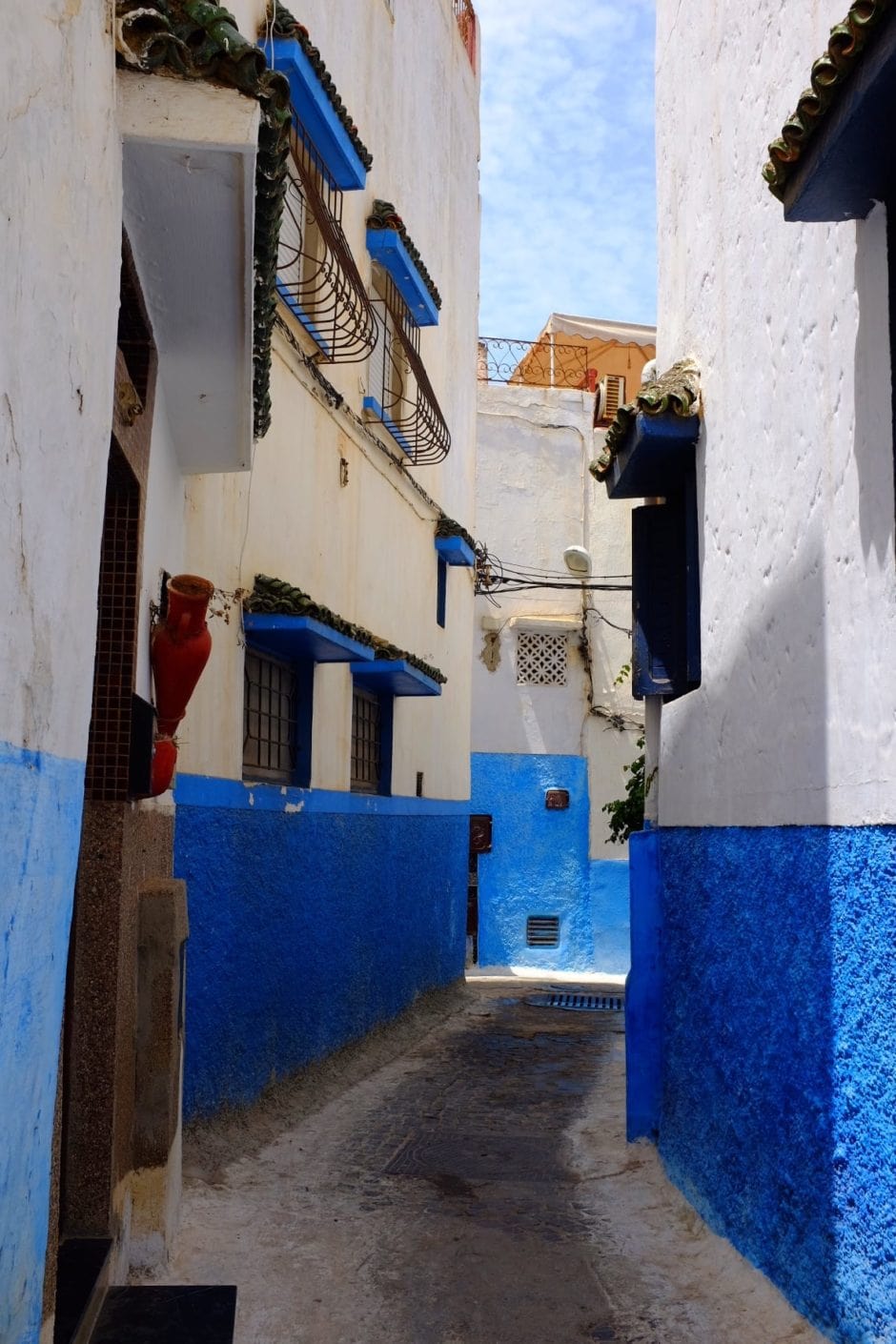
Walk through this iconic narrow thoroughfare to photograph the vibrant blue and white lime-washed walls. It is a classic composition for a seville to morocco day trip tour record.
Capture the wide-angle perspective of this square where local culture meets transit, providing authentic context for your seville to morocco day trip tickets experience.
Dining options are concentrated just outside the Kasbah walls, offering efficient service for those on a seville to morocco day trip. While there are no dining facilities inside the museum itself, the surrounding Place du Tabor and nearby medina alleys provide quick access to traditional tagines and Moroccan mint tea for your seville to morocco day trip tours.
This terrace restaurant offers views of the Strait and is a popular stop for those on a seville to morocco day trip tour needing a reliable meal. Order the lamb tagine or a fresh orange juice while planning your visit with your seville to morocco day trip tickets.
Real experiences from real travelers
Our guide met us promptly at the Tarifa ferry terminal and the entire seville to morocco day trip was perfectly organized. Walking through the medina felt like stepping into another world. The mint tea at a local café was a highlight. We returned to Seville with time to spare.
The ferry crossing from Spain took about an hour and offered clear views of both continents. Tangier's kasbah district provided excellent photo opportunities. Our small group size made navigating the souks manageable. Worth the early morning departure.
This seville to morocco day trip tour exceeded expectations with its balanced itinerary. The Caves of Hercules were less crowded than anticipated. Our local guide shared stories about Tangier's role as an international zone. The included lunch featured authentic tagine.
The logistics were smooth and the ferry ride comfortable. Cape Spartel offered panoramic views where two seas meet. However, only 90 minutes in the medina felt brief for shopping. Still, crossing from Europe to Africa in a single day remains memorable.
Booking these seville to morocco day trip tickets gave us access to a well-structured excursion. The contrast between Andalusian and Moroccan architecture was striking. Our guide navigated the medina's maze with ease. The spice market's aromas stayed with us for days.
The early pickup in Seville was punctual and the drive to Tarifa scenic. Once in Tangier, we explored the kasbah's narrow alleys and visited a Berber pharmacy. The Atlantic coastline at Cape Spartel looked dramatic under afternoon sun. Highly recommended for adventurous travelers.
This cross-strait excursion delivered authentic Moroccan experiences without overwhelming logistics. The medina's blue-painted doors made excellent photographs. Our guide explained the historical significance of Tangier as a gateway city. The return ferry departed on schedule.
From departure in southern Spain to arrival at Tangier's bustling port, every detail was managed professionally. The souks offered quality leather goods at reasonable prices. Lunch overlooking the harbor provided a relaxing midpoint. This seville to morocco day trip tours format works perfectly for travelers with limited time.
The ferry service was modern and comfortable. Walking through the Grand Socco revealed layers of Tangier's trading history. Only wished for more free time to explore independently. The sunset view from the kasbah partially made up for the tight schedule.
This day excursion from Andalusia to North Africa was seamlessly executed. The Caves of Hercules provided a dramatic natural landmark. Our guide's knowledge of Tangier's artistic heritage added depth. The mint tea ceremony in a traditional house felt genuinely welcoming rather than tourist-oriented.
Everything you need to know for your journey
The Kasbah Museum is open daily from 09:00–18:00. This schedule remains consistent throughout the week.
Public access to the Kasbah Medina and the museum’s public areas is 0 MAD. It is a free experience for the public.
The best arrival window is 09:00–11:00. This ensures you avoid mid-day heat and large cruise ship tour groups arriving in the afternoon.
Yes, the access to the site involves 50 steps. Please prepare for these during your visit.
Small bags are generally permitted, but avoid bringing large luggage as it is difficult to store. Security may perform checks during your seville to morocco day trip.
Photography is allowed in public spaces. Always respect privacy when taking photos of locals during your seville to morocco day trip.
Dress modestly by covering your shoulders and knees. This is highly recommended for all travelers on a seville to morocco day trip.
Pets are not allowed inside the museum building. You may walk with them in the open public squares of the Kasbah.
You can book your seville to morocco day trip tickets through authorized online travel agencies. Ensure you confirm ferry transport times as part of your package.
A lively central square surrounded by historic cafes and merchants. It serves as a bustling hub for the local community.
The primary marketplace connecting the old Medina to the newer city sections. It features a large fountain and green spaces.
The first American diplomatic property abroad, showcasing Moroccan-American history. The architecture reflects distinctive colonial styles.
An Anglican church blending Moorish and European architectural details. The interior contains unique prayer niches.
Historic property overlooking the port with traditional tile work.
Numerous guesthouses located within the ancient walls.
A classic hotel offering views of the bay and old city.
Join thousands of happy travelers who have discovered this incredible experience
Book Your Experience Now