
Quick answer
The ferry crossing from Tarifa to Tangier takes 1 hour on modern fast ferries, with departures running approximately every hour during daylight. However, travelers starting from Seville must account for 2-3 hours of overland transit to reach the Tarifa terminal, making the total journey time 3-4 hours door-to-port. Early morning departures from Seville allow for a full day in Morocco and a comfortable return crossing.
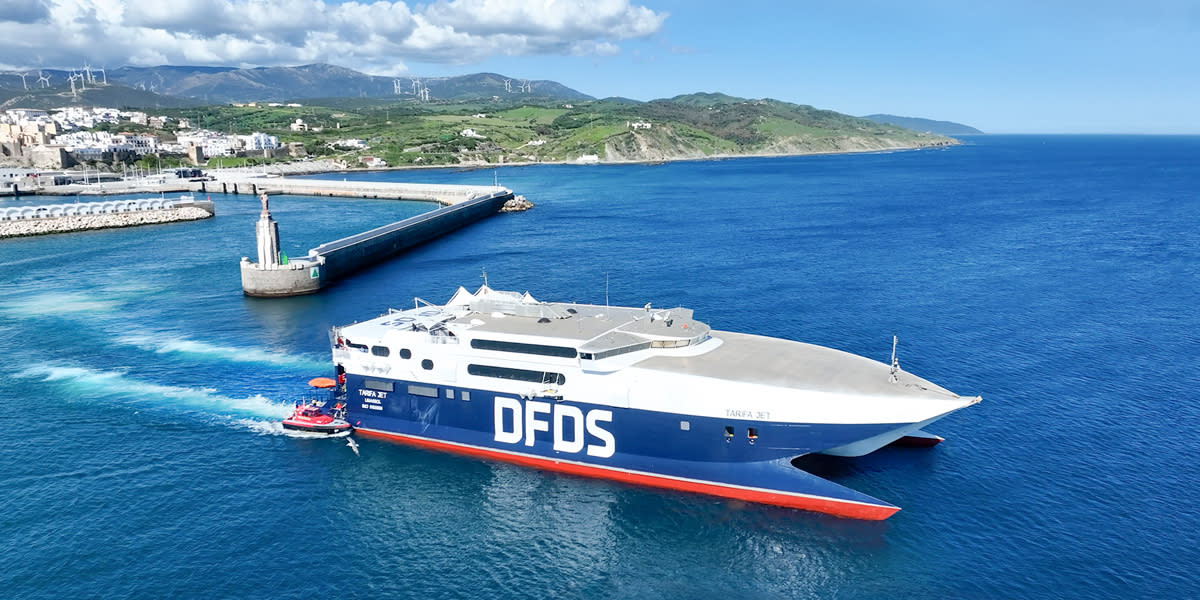
No direct ferry connects Seville to Morocco—the Guadalquivir River serves cargo vessels and cruise ships, not passenger ferries to North Africa. Every crossing requires transit to the Strait of Gibraltar ports, and Tarifa holds the operational advantage: it sits just 14 kilometers from the Moroccan coast, the narrowest point of the strait, allowing ferry operators to maintain hourly service with minimal voyage duration. The seville to morocco ferry time guide begins with the overland leg. Seville to Tarifa spans roughly 200 kilometers through Andalusian farmland and coastal sierra. Direct bus service operates twice daily via Comes, departing from Plaza de Armas station and taking 2 hours 45 minutes to reach Tarifa's town center, a five-minute walk from the ferry terminal. Private car transfers or rideshares reduce transit to 2 hours but require parking arrangements at the port. Rental car return desks do not operate in Tarifa, complicating one-way dropoffs. The ferry crossing itself departs from Puerto de Tarifa, a modest terminal with passport control, waiting lounges, and vehicle embarkation ramps. FRS and Inter Shipping operate competing services, both deploying high-speed catamarans that complete the Tarifa-Tangier route in 60 minutes, waves permitting. Departure frequency peaks between 08:00 and 18:00, with 8-10 daily crossings during high season and 5-6 in winter. Return crossings from Tangier mirror the schedule, though weather in the strait occasionally delays or cancels sailings—westerly levante winds above 40 knots force operators to suspend service. Crossing to Morocco by ferry means navigating two passport controls: Spanish Schengen exit at Tarifa, then Moroccan entry stamps upon docking at Tangier's new Ville Port. Processing moves efficiently during midday crossings but slows during morning and evening peaks when multiple ferries converge. Budget 30-45 minutes for disembarkation formalities. Tangier's medina lies 2 kilometers uphill from the port; petit taxis charge fixed rates, and the new tramway connects the waterfront to city center stops. The rhythm of the crossing allows for 4-6 hours of exploration in Tangier before the return sailing, assuming you depart Seville by 07:00 and book late-afternoon return crossings. The journey stitches Andalusian plains, the strait's tidal currents, and Moroccan port neighborhoods into a single transit corridor—one that demands precise scheduling but rewards early risers with a full day spanning two continents.
“The strait's 14-kilometer width allows ferry operators to maintain hourly service during daylight, but the total journey from Seville spans three distinct transit legs.”
Daily Seville to Morocco Ferry Time and Schedule
The ferry terminal at Puerto de Tarifa maintains 24/7 access to support international transit. While the terminal remains open daily, specific crossing times are determined by the ferry operator's individual daily schedule.
| Monday | 00:00–23:59 | Terminal open |
|---|---|---|
| Tuesday | 00:00–23:59 | Terminal open |
| Wednesday | 00:00–23:59 | Terminal open |
| Thursday | 00:00–23:59 | Terminal open |
| Friday | 00:00–23:59 | Terminal open |
| Saturday | 00:00–23:59 | Terminal open |
| Sunday | 00:00–23:59 | Terminal open |
Getting to the Ferry: Seville to Morocco Ferry Time via Tarifa
To reach the ferry for Morocco from Seville, travelers must transit to the Puerto de Tarifa, located at Puerto de Tarifa, 11380 Tarifa, Cádiz, Spain. The most direct approach is by car or bus via the A-48 and N-340 highways.
A-4 motorway from Seville to Jerez, followed by A-48 and N-340 to Tarifa
Direct line from Seville Prado de San Sebastián station to Tarifa
Best Time of Day for Seville to Morocco Ferry Time
The optimal window for your journey is between 08:00 and 18:00 to ensure clear visibility and consistent ferry service frequency. Arriving during these daylight hours facilitates a smoother transition for your transit from Seville to Tangier.
Weekday mornings
Lower passenger volume—
Service frequency is high and transit is generally more efficient.
Midday (12:00–15:00)
Moderate to high—
Ferries run consistently, though terminal areas may experience peak passenger density.
Late afternoon (until 18:00)
Moderate—
This is the final recommended window to ensure arrival in daylight before evening service shifts.
Verdict: Plan your arrival at the terminal between 08:00 and 18:00 to benefit from regular ferry schedules and optimal transit conditions.
Step-by-Step Guide: Managing Your Seville to Morocco Ferry Time
The Seville to Morocco ferry journey requires coordination between overland transit to Tarifa and the 35-minute strait crossing to Tangier. Terminal entry is free, but expect 90 minutes for check-in, customs, and boarding before departure.
Arrive at Tarifa Terminal Early
Reach Puerto de Tarifa, 11380 Tarifa, Cádiz at least 90 minutes before your scheduled departure. Many travelers underestimate passport control queues during peak morning slots.
Complete Check-In and Document Control
Present your booking confirmation and passport at the ferry operator counter. Officers verify travel documents for Morocco entry; missing visa documentation causes the most delays here.
Clear Spanish Exit and Moroccan Entry Stamps
Pass through Spanish exit control, then proceed to the Moroccan customs pre-clearance area within the terminal. Keep your stamped landing card accessible—you'll need it on arrival in Tangier.
Board Through the Designated Gate
Listen for your ferry announcement and proceed to the assigned boarding gate. Vehicles board first; foot passengers follow once the ramp is secured and cleared by crew.
Settle In for the 35-Minute Crossing
Stow hand luggage in overhead racks and remain seated during strait navigation. The short crossing means limited onboard service, so bring water if needed.
Seville to Morocco Ferry Time and Terminal Fees
Access to the ferry terminal area is open to the public, though the cost of crossing the Strait of Gibraltar depends entirely on the specific ferry operator and the chosen fare type.
Travelers must purchase a valid ferry ticket to transit, with final costs varying based on the time of year and demand.
Checklist for Your Seville to Morocco Ferry Time Trip
Cross into Morocco smoothly by gathering the right documents and essentials before you leave Seville.
-
Carry a passport valid six months beyond travel — Morocco requires passports with at least six months validity remaining from your entry date.
-
Book your ferry ticket in advance — Reserved crossings guarantee departure and avoid terminal wait times.
-
Bring cash in euros and Moroccan dirhams — You'll need euros for the Spanish terminal and dirhams once you reach Tangier.
-
Pack sunscreen and a hat for the crossing — The ferry deck offers limited shade during the one-hour strait transit.
-
Download offline maps for Tangier navigation — Mobile data may be unreliable immediately after docking in Morocco.
-
Confirm your return ferry time before departure — Same-day returns require coordinating Tangier activities with your booked slot.
Check availability
Frequently asked questions about seville to morocco ferry time
Everything you need to know about seville to morocco ferry time