15 hr
Tangier Day Trip from Seville with Guide & Lunch
- Expert local guide
- Small group
- Skip-the-line access
- Free cancellation
2 Day Trip From Seville to Morocco — Guided Tangier Adventures
Cross the Strait of Gibraltar by ferry, explore North Africa's medina lanes in two days
Compare fares, pick the fit — all bookings are mobile-voucher and eligible for free cancellation where shown.
15 hr
15 hr
48 hr
| Experience | Duration | Rating | Skip-the-line | Guide | Small group | Free cancel. | Price | |
|---|---|---|---|---|---|---|---|---|
|
Guided Experience
Most popular
Tangier Day Trip from Seville with Guide & Lunch
|
15 hr | ★ 4.3 | ✓ | ✓ | ✓ | ✓ | €219 | Book → |
|
Guided Experience
Seville to Tangier Full-Day Excursion
|
15 hr | ★ 4.0 | ✓ | ✓ | ✓ | ✓ | €219 | Book → |
|
Guided Experience
Multi-Day Morocco Adventure from Seville
|
48 hr | ★ 3.6 | ✓ | ✓ | ✓ | ✓ | €299 | Book → |
Worth it for culture seekers, tight for time
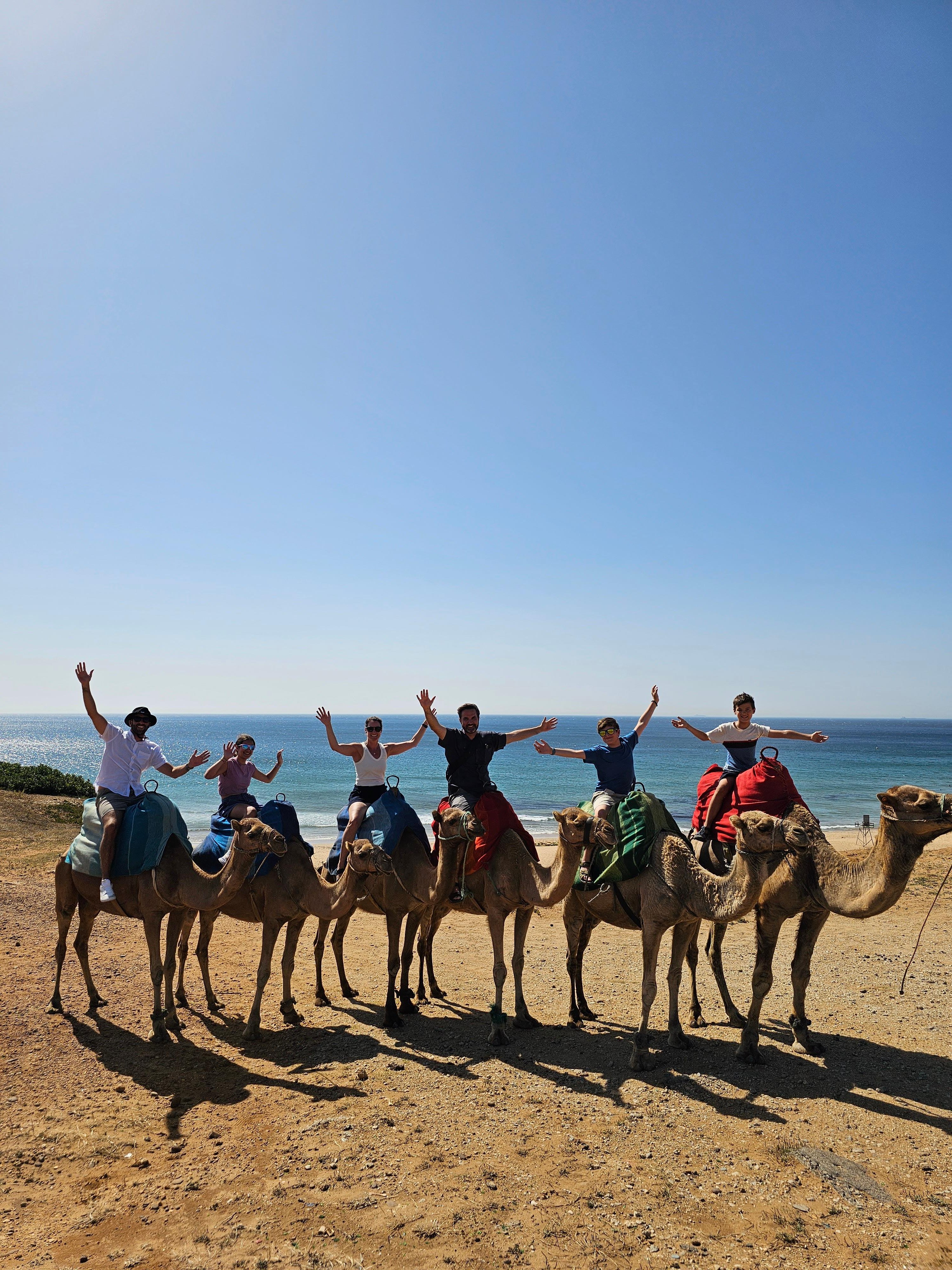
A 2 day trip from seville to morocco delivers genuine cross-continental immersion—ferry crossing the Strait of Gibraltar, guided walks through Tangier's medina, Moroccan lunch, and often a camel ride—but compresses Africa into roughly six hours on the ground. Full-day excursions from Seville typically run €95–120 per person including transport, guide, and meal; two-day variants add an overnight stay and deeper exploration of Tangier's kasbah, Grand Socco, and Cape Spartel for €180–240. The medina itself charges no entrance fee, so tour value hinges on logistics: independent ferry tickets and visa formalities eat half a day, while organized departures handle customs and maximize your time in Morocco. Worth it if you want hassle-free access to North African culture and accept that one or two days only scratch the surface; skip if you prefer slow travel or plan a dedicated Morocco itinerary later.
Bottom line: Tangier excursions from Seville offer efficient, guided access to Morocco for travelers who value convenience over extended immersion.
Tangier provides a profound dive into North African heritage, while Gibraltar offers a British-influenced coastal excursion. Choosing between these options depends on whether you seek an exotic Mediterranean crossing or a convenient European landmark tour.
|
Top pick Tangier |
Gibraltar | |
|---|---|---|
| Cultural focus | North African and Islamic traditions | British and Mediterranean influence |
| Border crossing requirements | Passport required and visa checks | Passport control with customs |
| Vibe and pace | Energetic and bustling medina | Relaxed and walkable town center |
| Primary activity type | Exploring historic alleyways and souks | Sightseeing rock formations and primates |
| Accessibility from Seville | Ferry required after land transit | Land border access via bus or car |
| See tickets & prices |
Verdict: Select Tangier for a 2 day trip from seville to morocco tour if you prioritize cultural immersion, or choose Gibraltar for a 2 day trip from seville to morocco if you prefer familiar infrastructure and easier logistics.
Hand-picked experiences loved by thousands of travelers
2 days
Free Cancellation
Cross continents on this overnight Moroccan escape blending medina exploration with coastal views
2 days
Free Cancellation
Cross continents on this overnight journey to Gibraltar's iconic Rock and Morocco's vibrant Tangier
11 hours
Free Cancellation
Cross into British territory, meet famous Barbary apes, explore limestone caves, and shop duty-free
10 hours
Free Cancellation
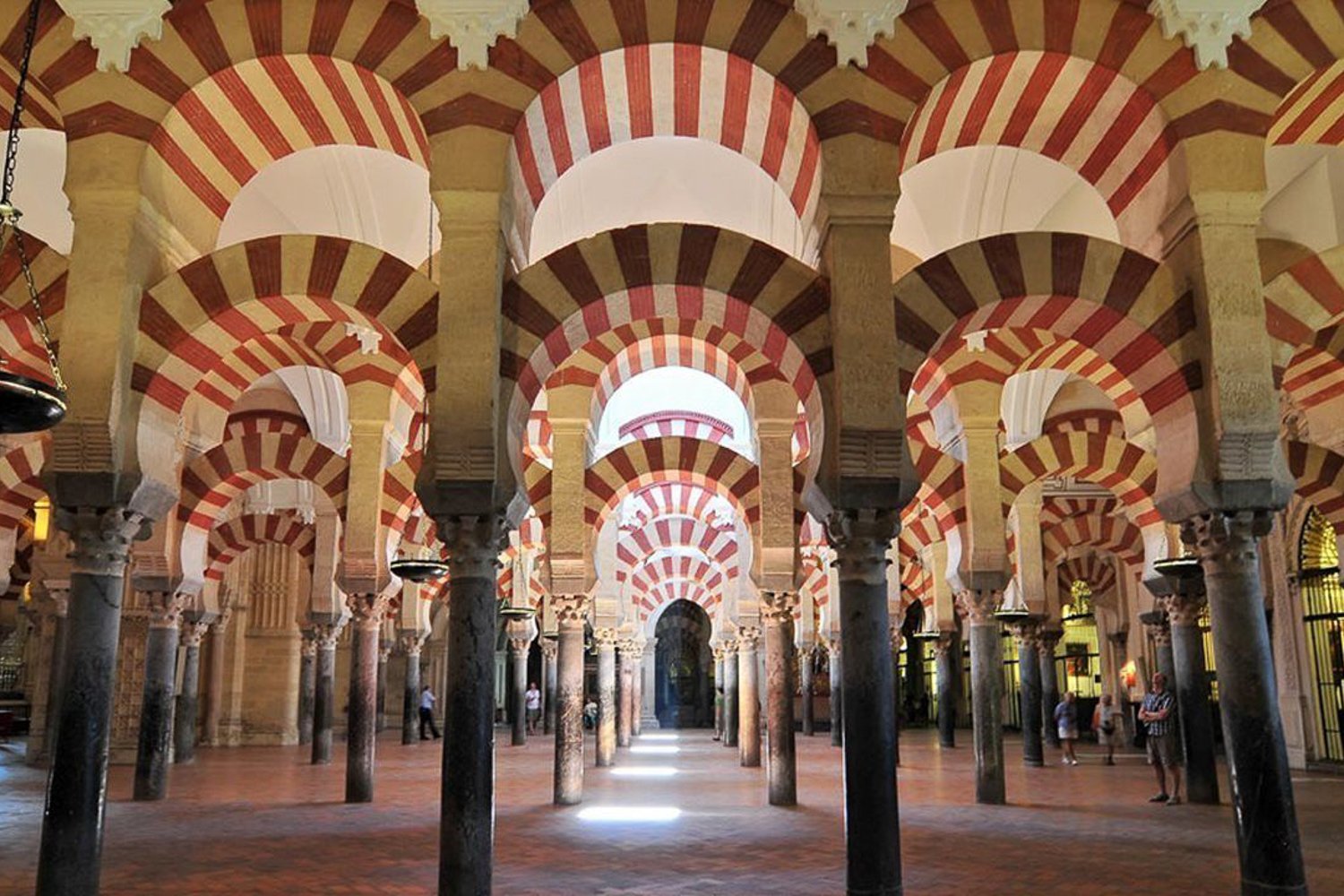
Explore Córdoba's stunning Mosque-Cathedral and Jewish Quarter on this full-day guided tour with priority access
15 hours
Free Cancellation
Cross two continents in one day: explore British Gibraltar and vibrant Moroccan Tangier on this private adventure
2 hours
Free Cancellation
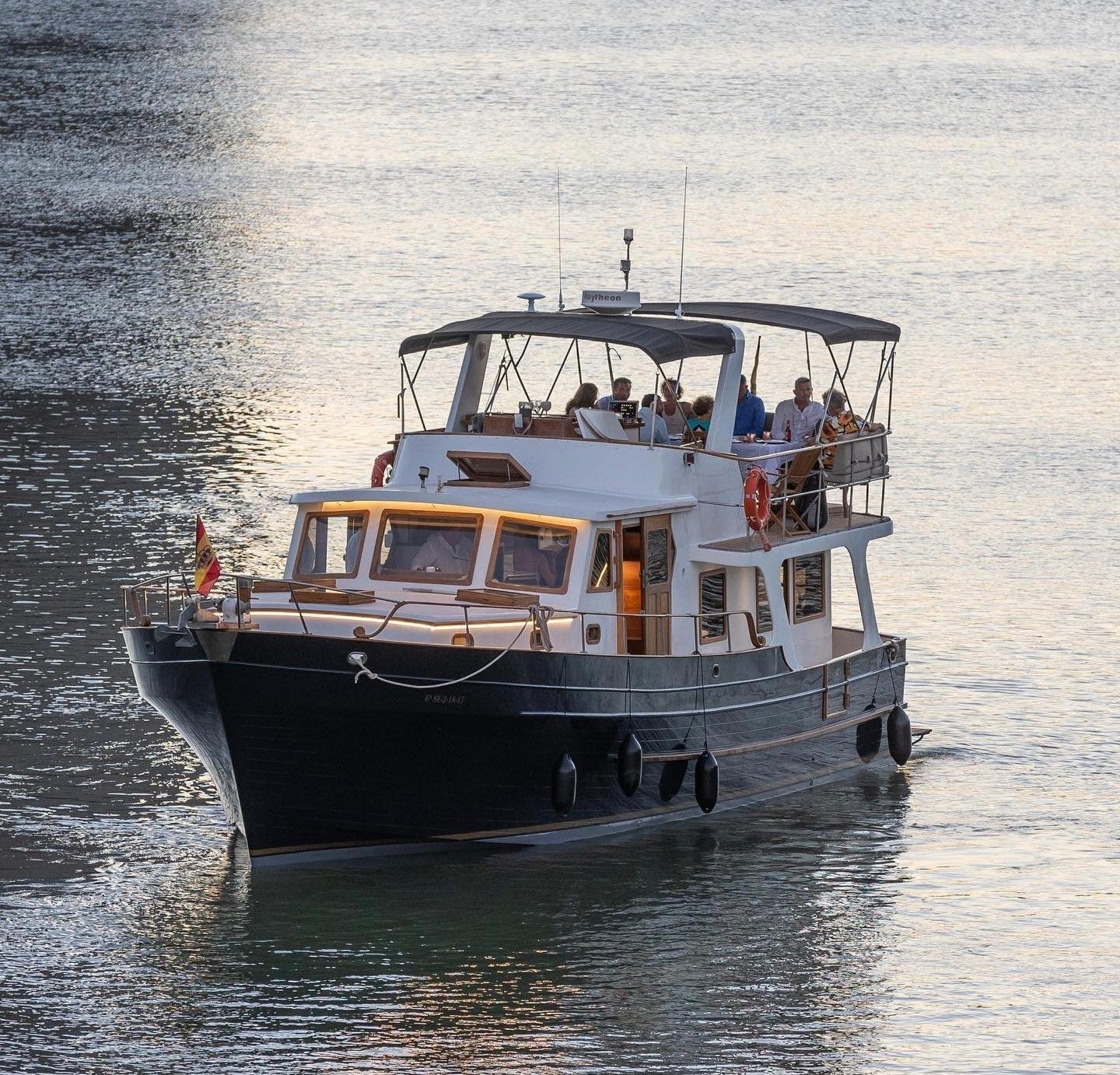
Sail the Guadalquivir River on a private yacht with live flamenco, gourmet tapas, and panoramic views
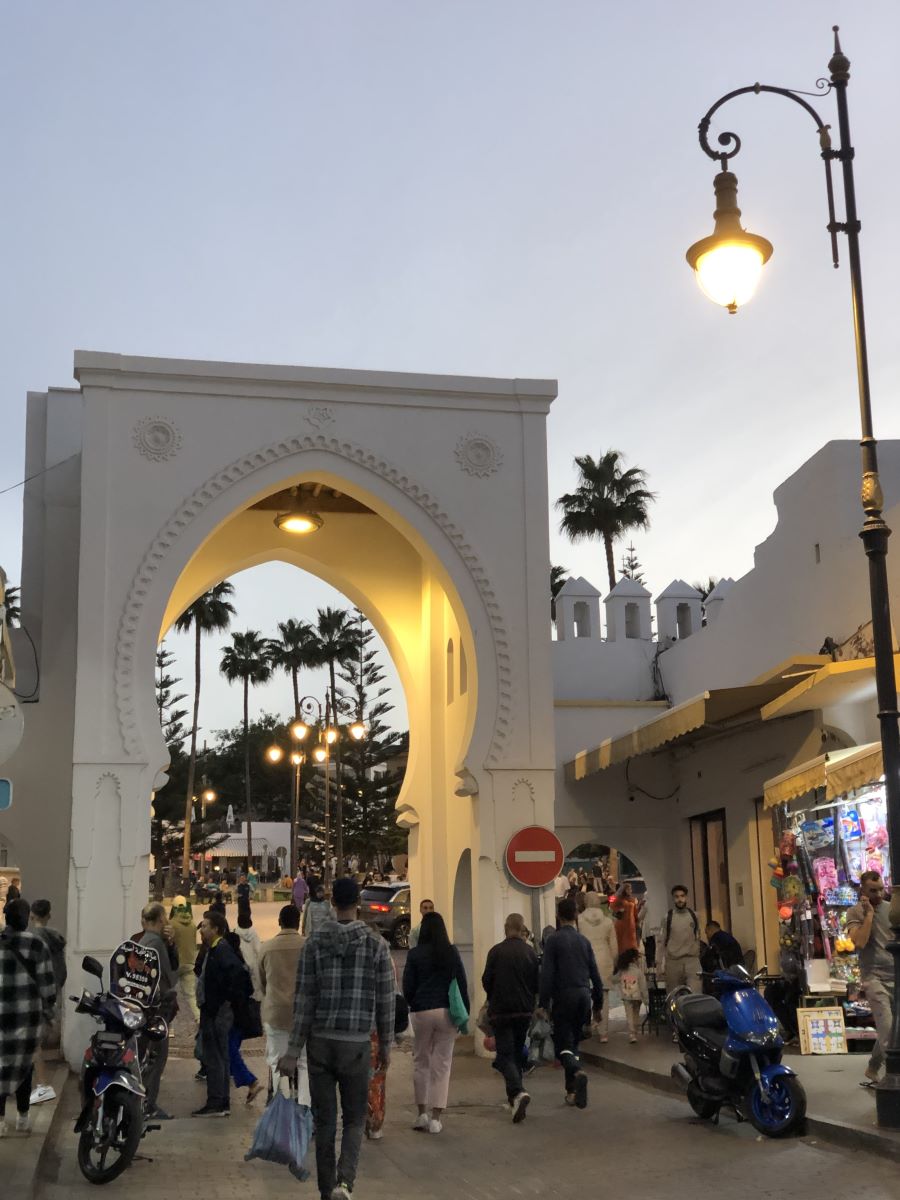
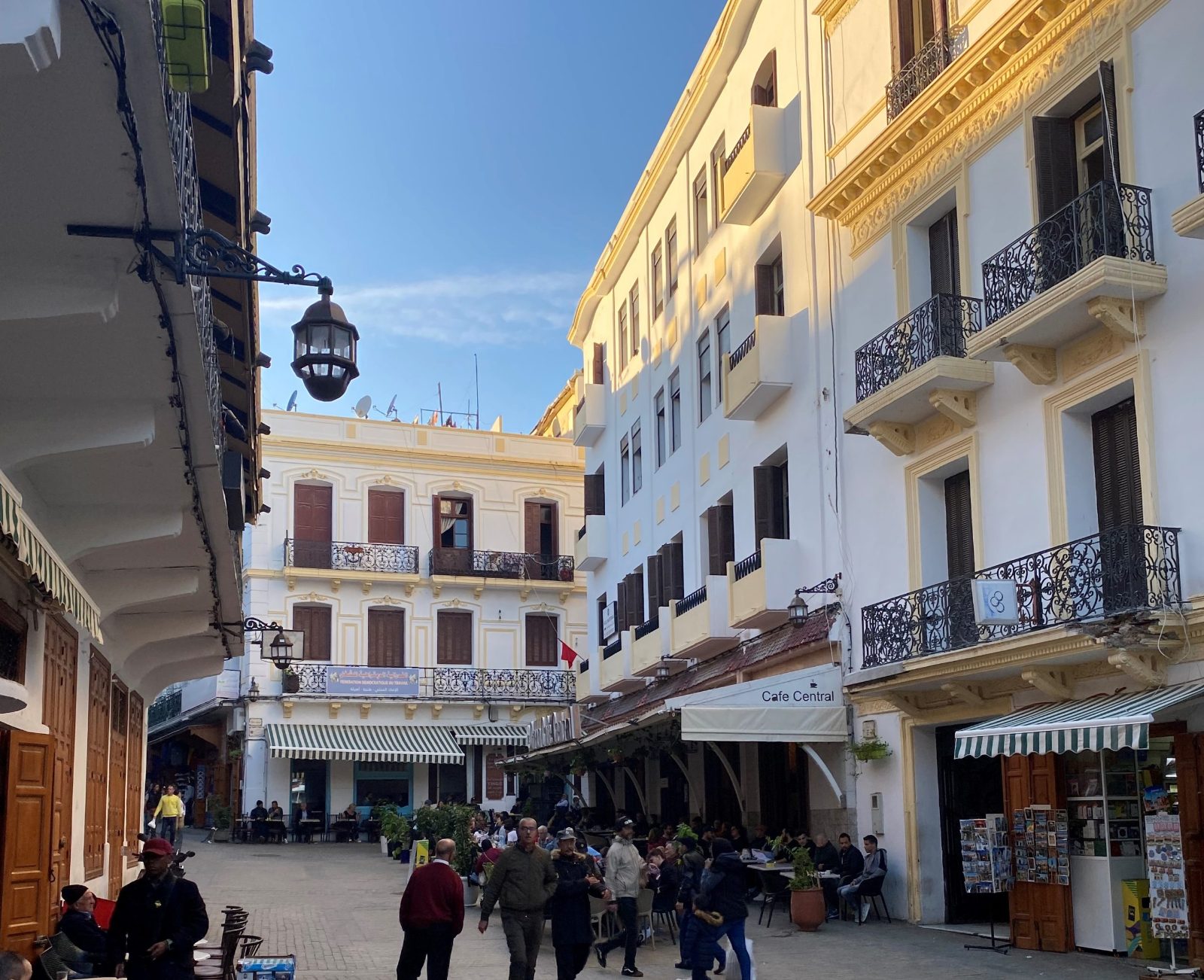
The main gateway to the Medina, known for its bustling market and social life.
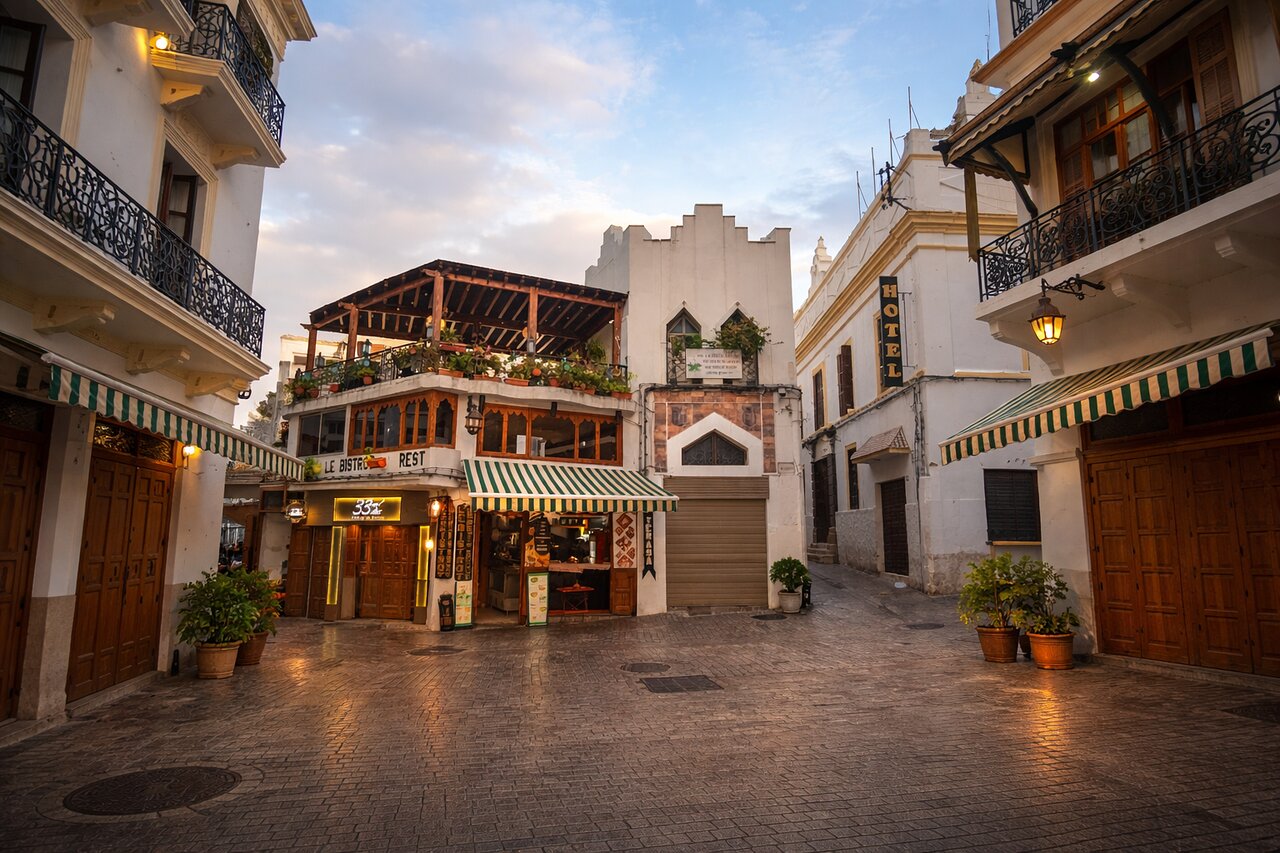
A historic, intimate square that once served as the heart of the international city.
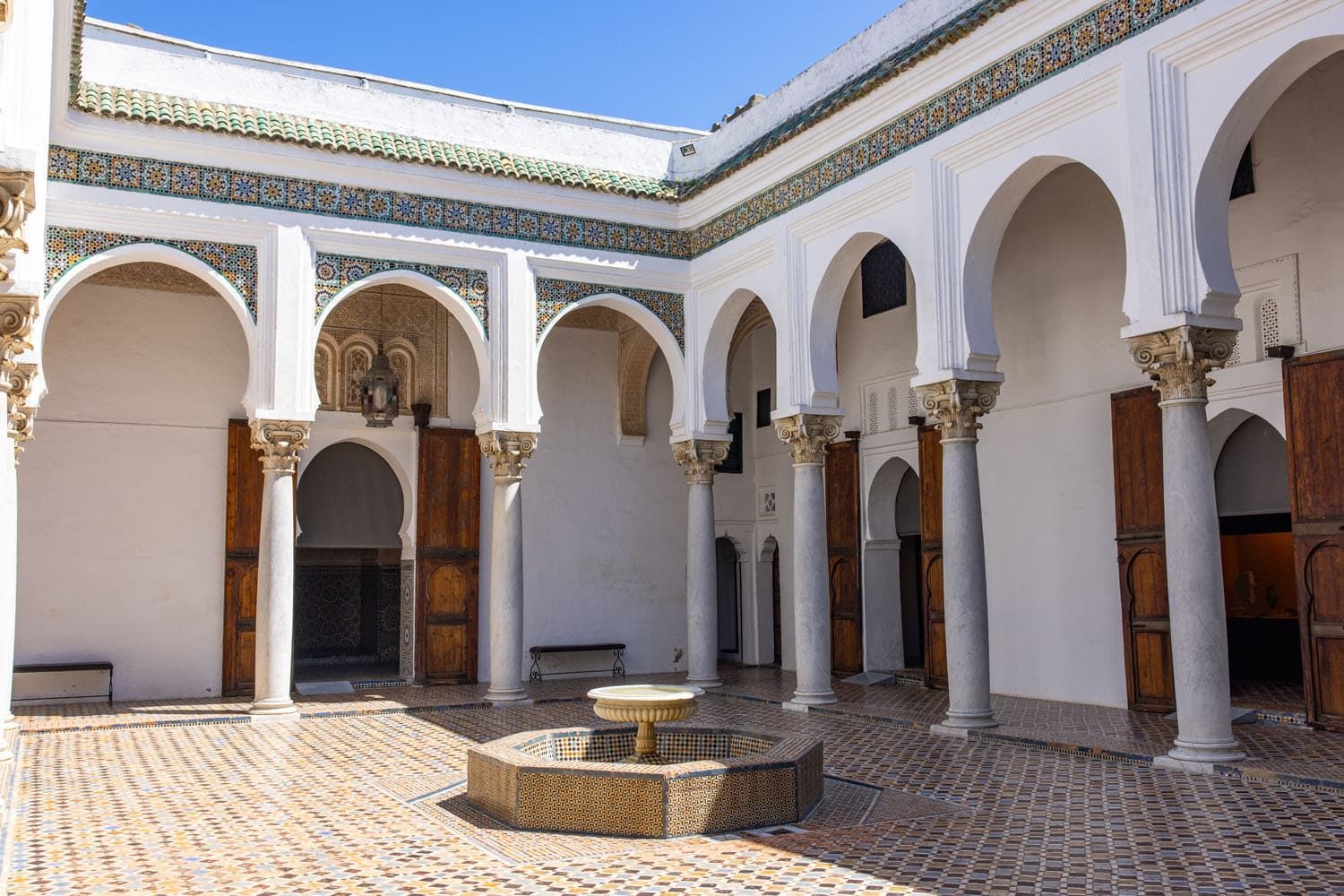
Located in a 17th-century palace, this museum showcases regional history and archaeology.
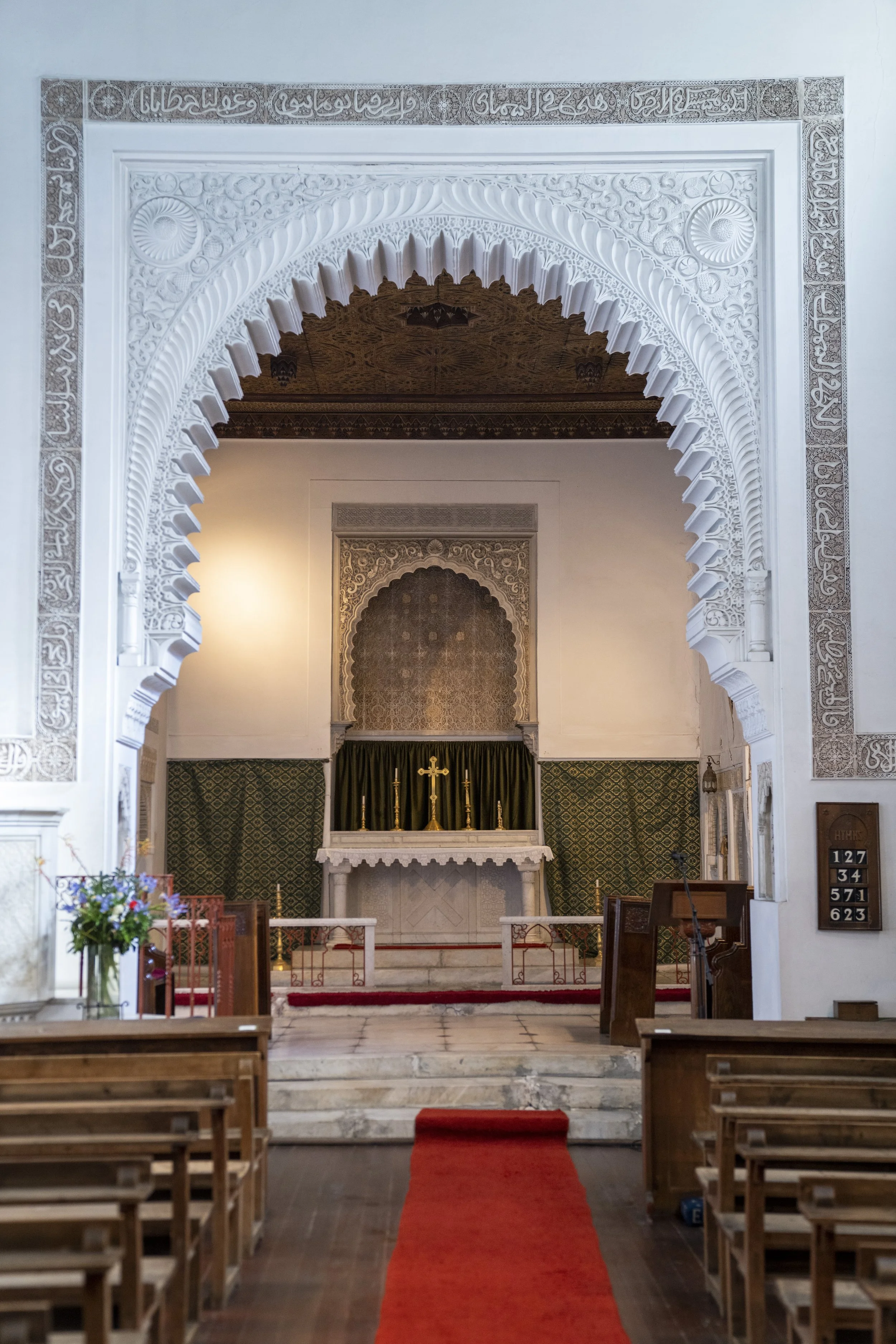
A unique landmark reflecting the multicultural history of the city with Arabic calligraphy.
A century-old legendary terrace offering views over the Strait of Gibraltar.
You board the ferry at Tarifa's terminal before dawn, watching the Moroccan coastline materialise across the strait as sunrise illuminates the Rif Mountains.
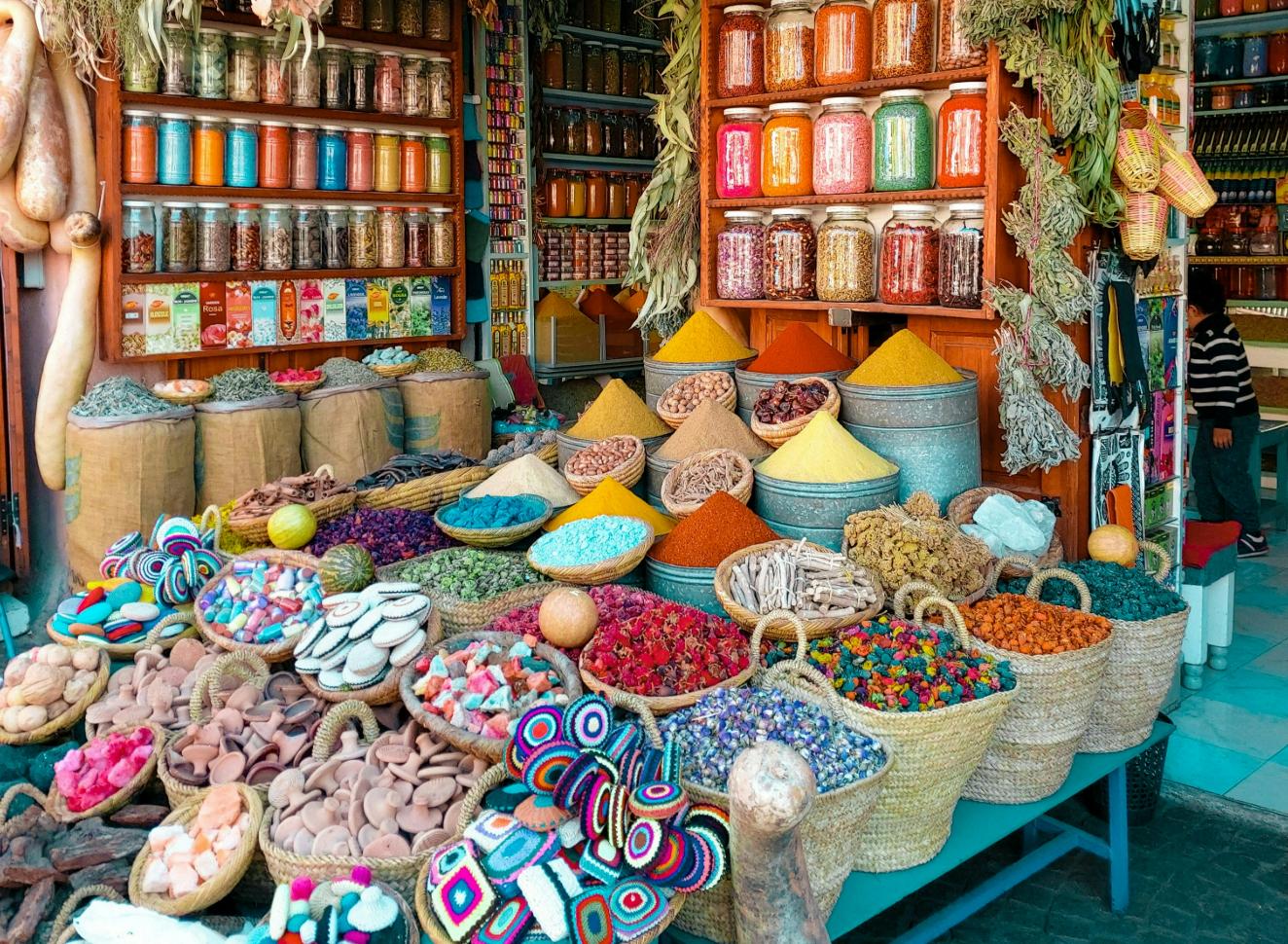
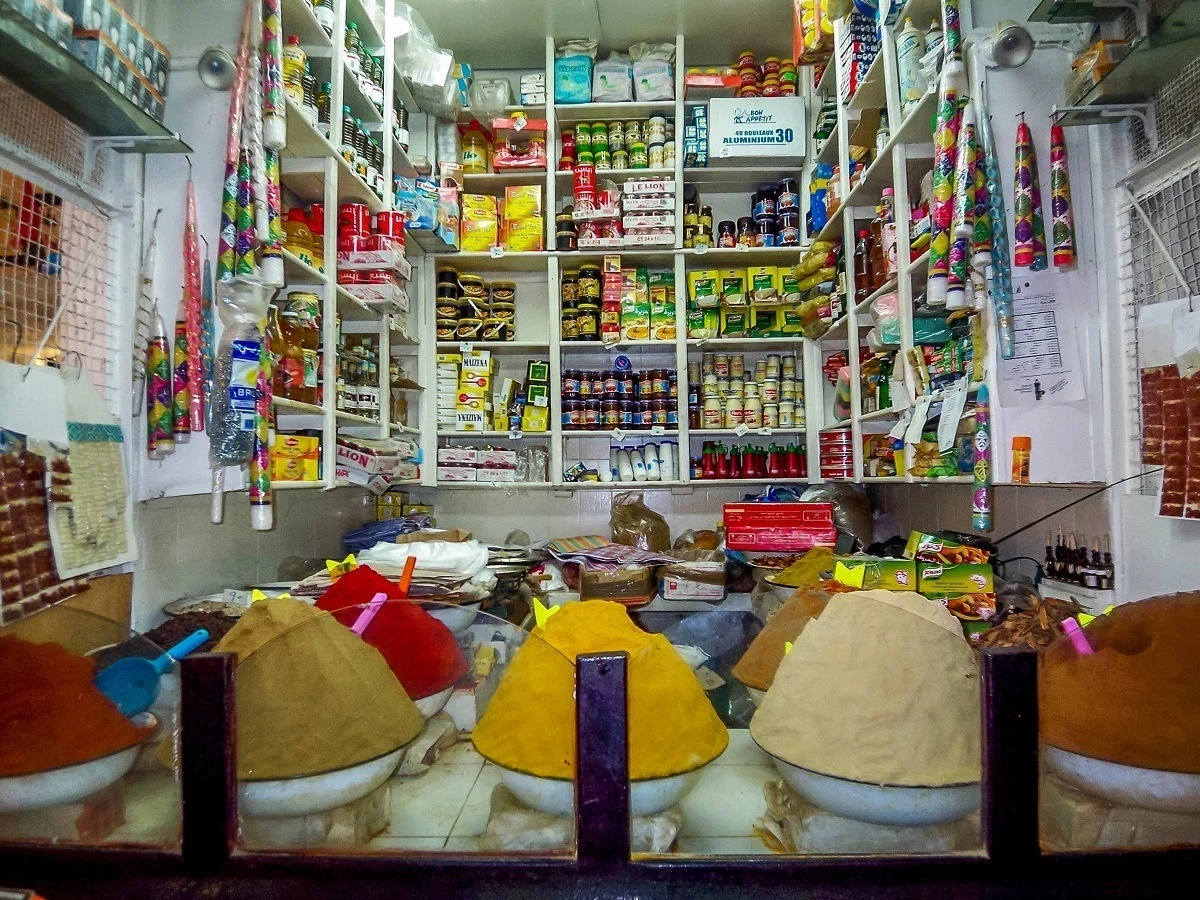
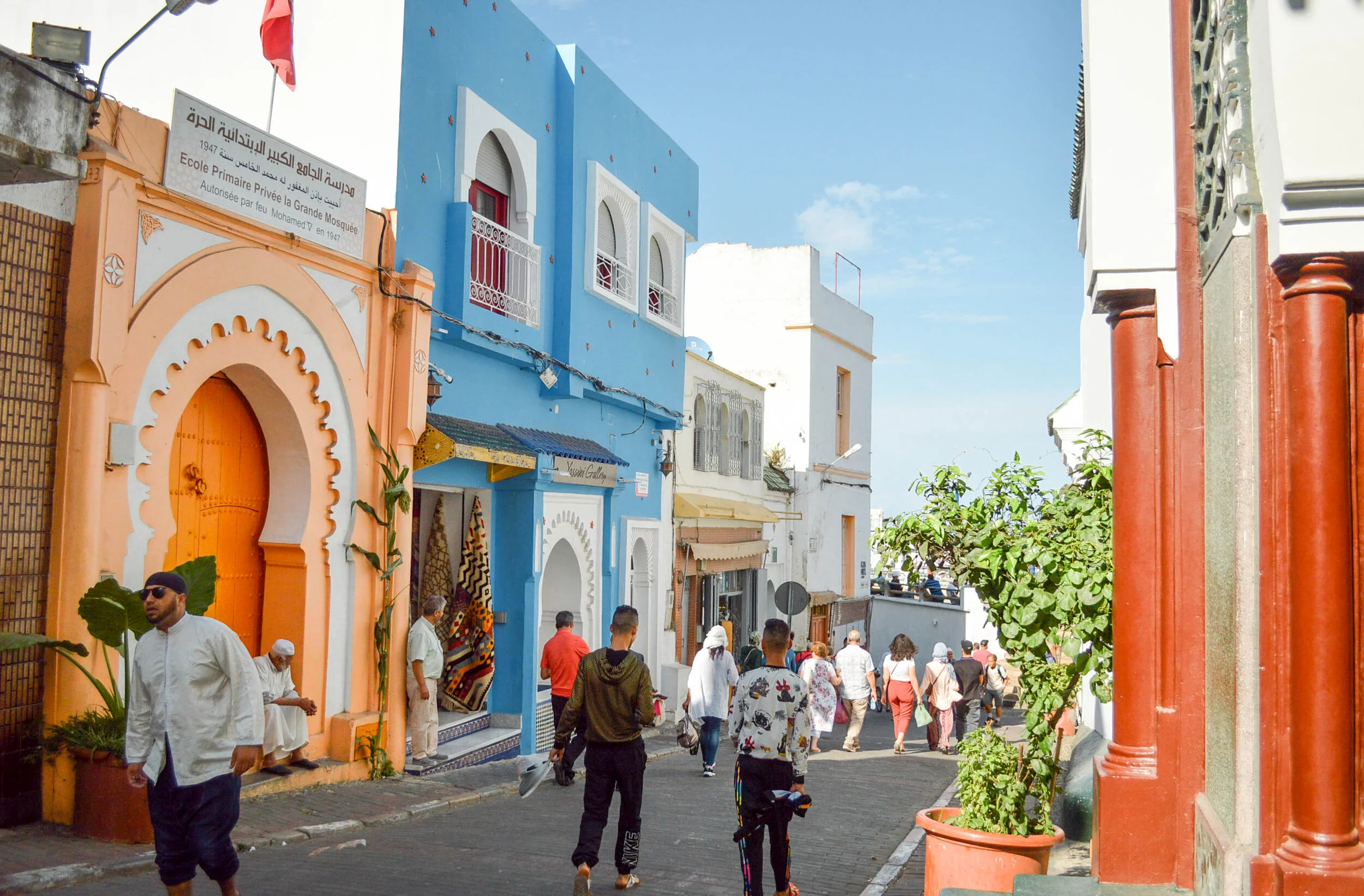
Disembarkation at Tangier's port takes 30 minutes for passport control, then your guide leads the group uphill into the medina through Bab el-Marsa, the sea gate. You navigate Rue des Almohades, passing spice vendors arranging conical saffron and cumin pyramids, their scales calibrated in dirhams and grams. The Petit Socco opens ahead, its café terraces already occupied by men reading newspapers over espresso.
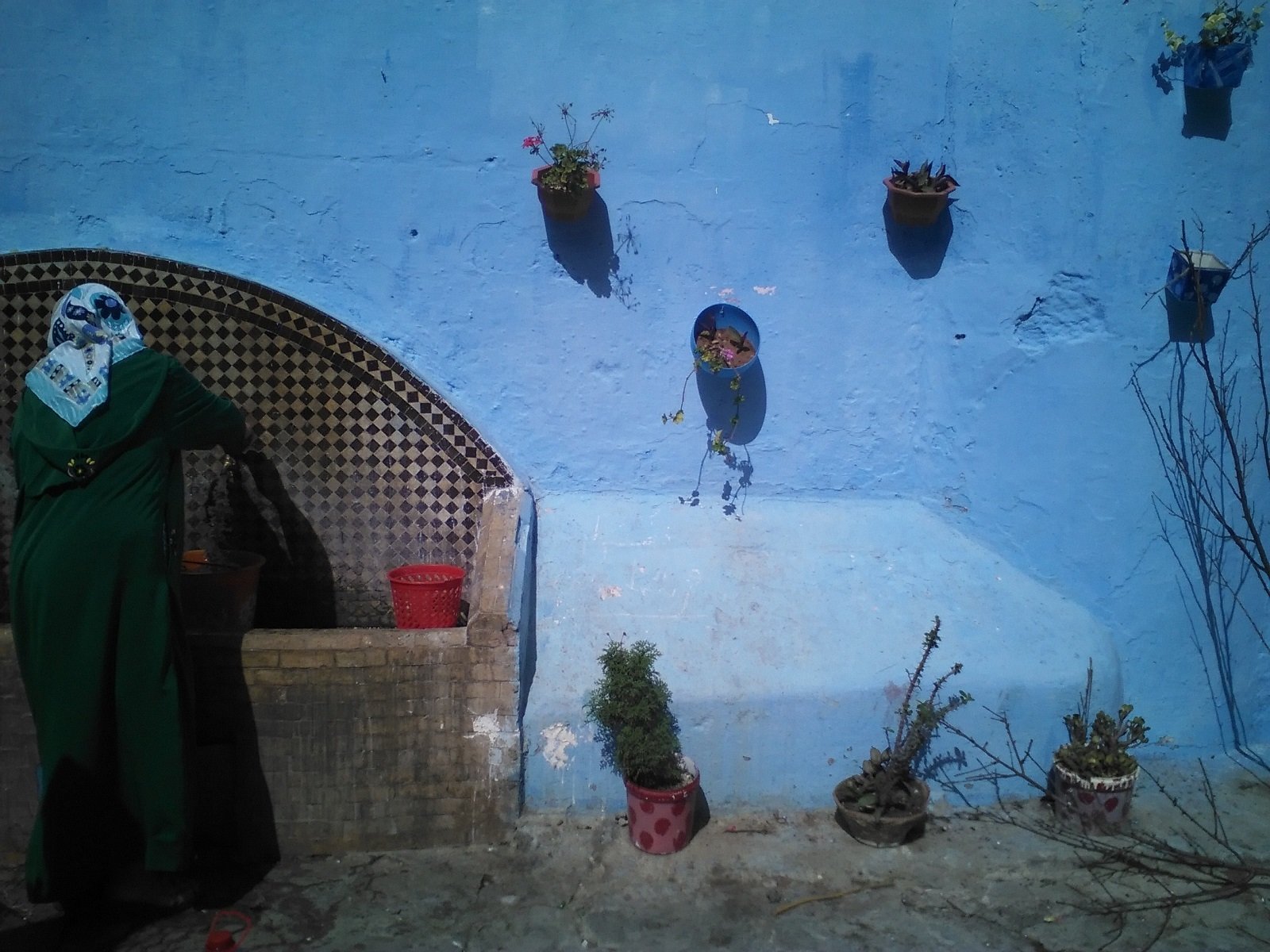
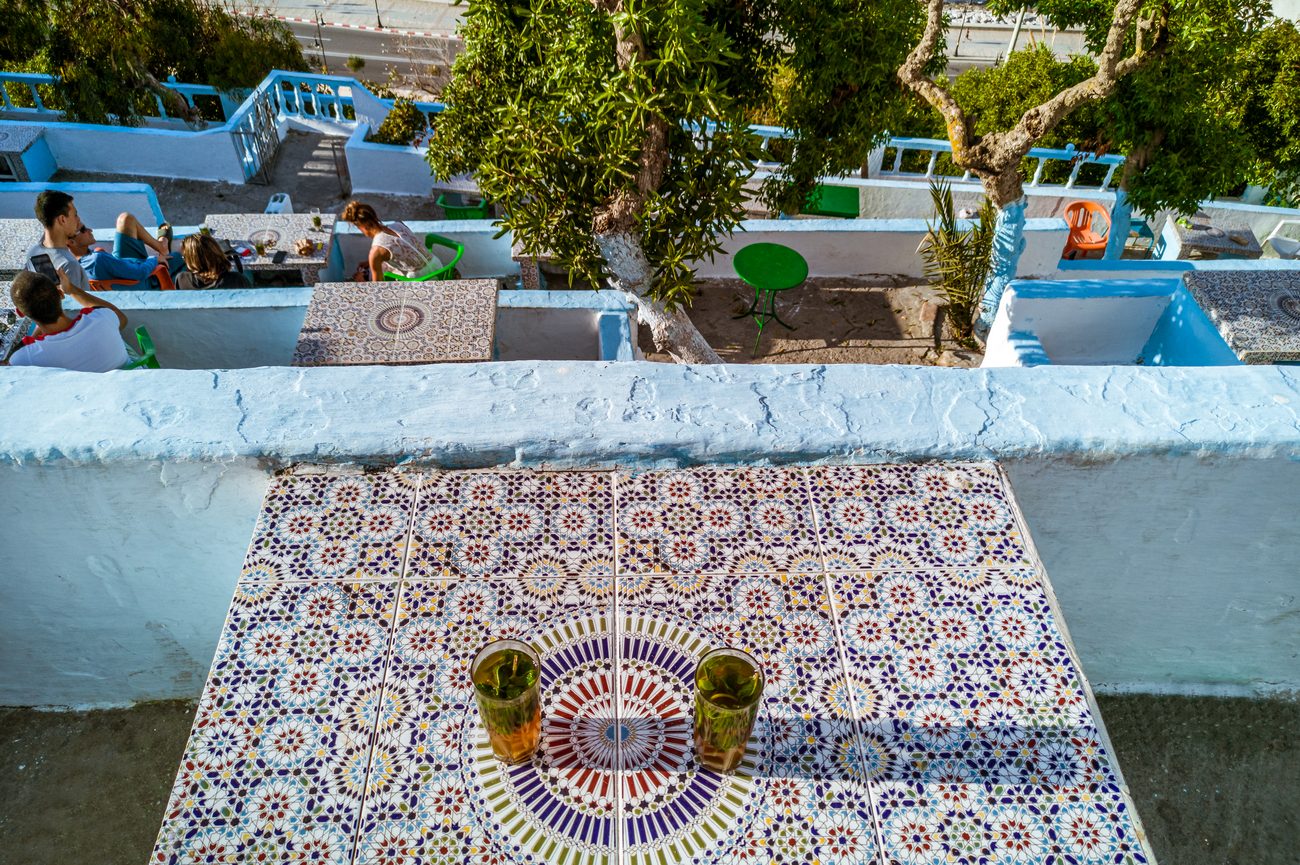
You climb stone steps toward the Kasbah, pausing at a tiled fountain where women fill clay jugs. The sultan's palace courtyard reveals zellige mosaics in cobalt and ochre, geometric patterns repeating across columns and archways. Your guide explains the palace's conversion to a museum in 1922, pointing to Roman statuary lining the galleries. You exit onto a terrace overlooking the harbour, counting container ships and fishing trawlers against the Spanish coast. Lunch is served in a riad courtyard — tagine with preserved lemons, mint tea poured from height into glass cups. Afternoon brings free exploration: you photograph doorways painted royal blue, negotiate for leather slippers in the souk, then follow your guide back to the ferry terminal as the muezzin's call echoes from the Grand Mosque's minaret.
All the details about your upcoming adventure in one place
Tangier sits 14 kilometres across the Strait of Gibraltar from mainland Europe, a geographic proximity that has made the port city a natural terminus for cross-continental journeys since Phoenician traders established settlements here in the 5th century BCE.
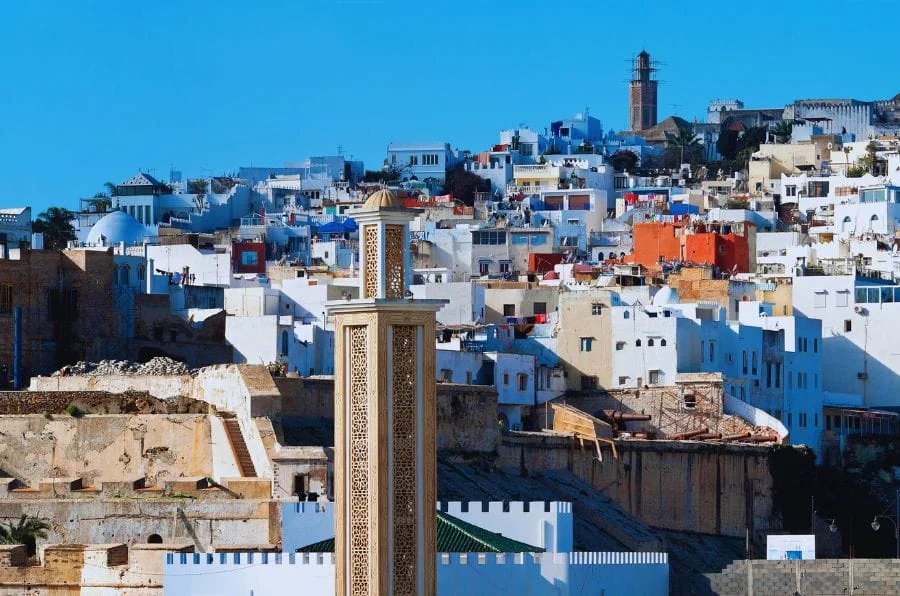
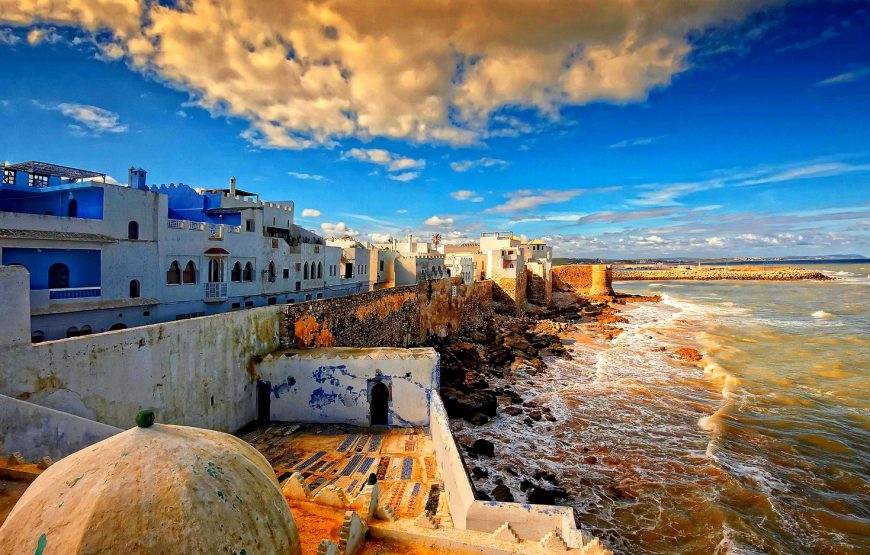
The medina's whitewashed alleys cascade down hillsides toward the harbour, their layout virtually unchanged since the Almohad dynasty fortified the quarter in the 12th century. Roman mosaics unearthed near the Kasbah confirm the site's antiquity, while the Mendoubia Gardens preserve a 800-year-old dragon tree that predates the Portuguese occupation of 1471.
A 2 day trip from seville to morocco allows travellers to experience the cultural transition between Andalusia and the Maghreb without the logistical complexity of independent border crossings. The ferry journey from Tarifa to Tangier takes 35 minutes, delivering passengers into a medina where Berber, Arab, and Andalusian architectural traditions intersect. The Grand Socco, rebuilt in 1929 during the International Zone period, functions as the medina's main threshold, its Art Deco cinema facades and wrought-iron balconies reflecting the city's mid-century cosmopolitan identity. Rue es-Siaghin, the silversmiths' street, retains workshops practising techniques introduced by Moorish craftsmen expelled from Granada in 1492.
Tangier's medina operates as a working neighbourhood rather than a preserved heritage site. Morning fish auctions at the port supply restaurants along Boulevard Pasteur by 07:00, and the Petit Socco's cafés serve mint tea in the same tile-clad interiors frequented by Paul Bowles and William Burroughs during the city's mid-20th-century literary period. The Kasbah Museum, housed in the former sultan's palace Dar el-Makhzen, displays Roman-era bronzes from Volubilis and Carthaginian amphorae recovered from offshore wrecks. Two-day itineraries typically allocate four to five hours for medina exploration, allowing time to navigate the souks' narrow passages without the compression of single-day excursions. The medina's UNESCO consideration status since 2012 has prompted restoration of key riads and hammams, though daily life continues largely unaltered. Artisan cooperatives in the Kasbah quarter still produce handwoven Berber textiles using vegetable dyes derived from henna, saffron, and pomegranate rind, techniques documented in the city since the 16th century.

The ferry journey from Tarifa to Tangier takes 35 minutes, delivering passengers into a medina where Berber, Arab, and Andalusian architectural traditions intersect.
Dress modestly when exploring the Medina to respect local customs, covering shoulders and knees. This is highly recommended for all 2 day trip from seville to morocco participants.
Keep your belongings secure in a crossbody bag while navigating crowded alleys. Security is generally informal, but stay alert in high-traffic areas during your 2 day trip from seville to morocco.
Photography is permitted, but always ask locals before taking their picture. Capture the vibrant colors of the souks during your 2 day trip from seville to morocco.
Families are welcome, but be prepared for strollers to be impractical due to stairs. Engaging children with the vibrant colors of the markets is a highlight of the 2 day trip from seville to morocco.
The Medina features narrow, uneven cobblestone paths and stairs. It is challenging for those with limited mobility to navigate fully during a 2 day trip from seville to morocco.
Many traditional cafes serve mint tea and tajine within the walls. Food and drink are not provided as part of the public access during a 2 day trip from seville to morocco.
Opening hours
00:00–23:59
Address
Medina, Tangier, Morocco
Accessibility
Suitable for walking tours
Best arrival window
09:00–11:00
Storage
Not available in public areas
Navigation
Use a map for the Medina
Most 2 day trip from seville to morocco tours offer full refunds if cancelled at least 24 hours in advance. Entrance to public areas of the Medina remains 0 MAD.
Recommended time
Half a day
When planning your 2 day trip from seville to morocco, allocating a few hours for the Medina allows you to explore the labyrinthine alleys and vibrant souks at a comfortable pace. Choosing 2 day trip from seville to morocco tours helps navigate the dense urban layout, while booking 2 day trip from seville to morocco tickets ensures seamless transit for your Tangier landmarks exploration. Most visitors find that a half-day duration provides sufficient time to experience the local culture without needing to rush through the historic district.
Crowd levels through the day
Tangier's Medina occupies a promontory that has anchored Mediterranean trade since Phoenician merchants founded Tingis around 1000 BCE. Roman annexation in 38 BCE transformed the settlement into Tingis Mauretania, a provincial capital whose amphitheater ruins still mark the southern edge of the old town. The eighth-century Arab conquest introduced the narrow, defensive street layout that defines the quarter today—twisting passages designed to confuse invaders and channel coastal winds through residential zones. Portuguese occupation from 1471 to 1662 added the fortified kasbah walls and watchtowers that overlook the Strait of Gibraltar, strategic infrastructure that would later anchor Tangier's role in European diplomacy. The 1923 Tangier International Zone agreement granted the city autonomous status under joint European and Moroccan administration, a legal anomaly that persisted until Moroccan independence in 1956. This three-decade experiment drew exiled writers, smugglers, and speculators who clustered in the Medina's converted riads and fondouks, layering Art Deco balconies onto medieval courtyards. Many travelers planning a 2 day trip from Seville to Morocco today walk these same alleys without realizing they traverse a palimpsest of jurisdictional compromise—street names still toggle between Spanish, French, and Arabic depending on the quarter. The Grand Socco, the market square linking the Medina to colonial expansion zones, became a neutral meeting ground where currency traders operated under five legal systems simultaneously. Post-independence urban planning initially neglected the Medina as Tangier's port and industrial zones expanded westward. A 1990s UNESCO conservation program stabilized crumbling fondouks and restored the Dar el Makhzen palace, now a museum displaying artifacts from each occupying power. Contemporary visitors on 2 day trip from Seville to Morocco tours enter through Bab el Fahs, the sea gate where ferries from Andalusia have docked since the Almohad dynasty controlled both shores in the twelfth century. The Medina's working souks—metalworkers in Souk Dakhel, weavers near the Kasbah mosque—remain economically active rather than preserved as static heritage, a rarity among North African historic quarters.
Phoenician traders establish Tingis on the promontory, creating the settlement that would become Tangier's Medina
Roman Empire annexes Tingis as capital of Mauretania Tingitana province
Arab conquest introduces the Medina's labyrinthine street plan and first mosques
Portuguese fortify the kasbah and construct defensive walls overlooking the strait
Tangier International Zone grants the city autonomous legal status under joint European-Moroccan administration
Moroccan independence ends international governance and integrates Tangier into the national framework
UNESCO-supported conservation program restores key Medina structures including Dar el Makhzen palace
Medina retains functioning souks and residential quarters alongside heritage tourism infrastructure
Position your camera at the center of the square to capture the historic cafe facades and the bustling local atmosphere. This central hub serves as a perfect anchor for a 2 day trip from seville to morocco where the light filters through the surrounding architecture.
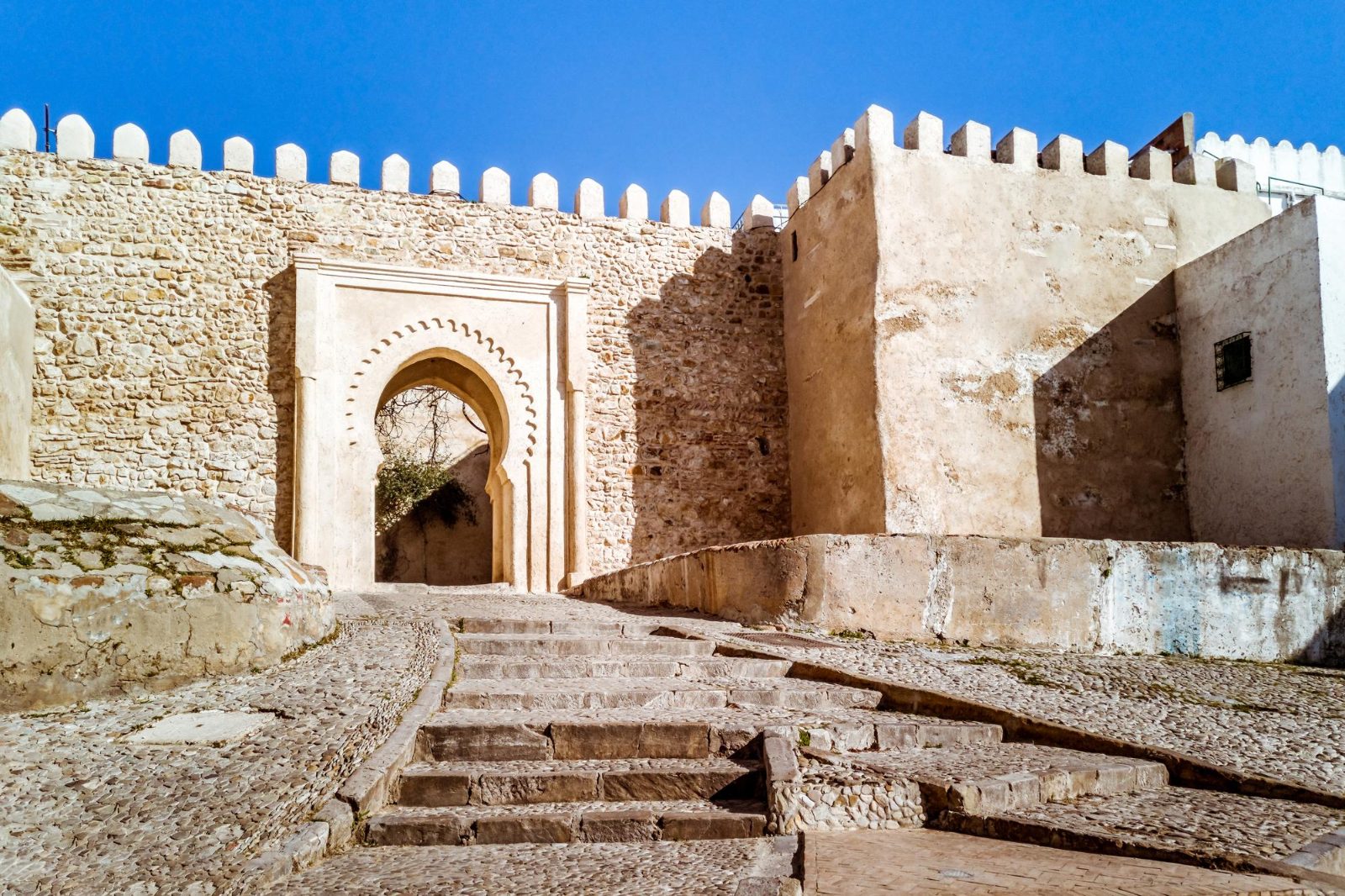
Capture the intricate tile work and the massive wooden doors that frame the transition into the historic district. Standing slightly back allows you to include the surrounding limestone walls in your 2 day trip from seville to morocco tours composition.
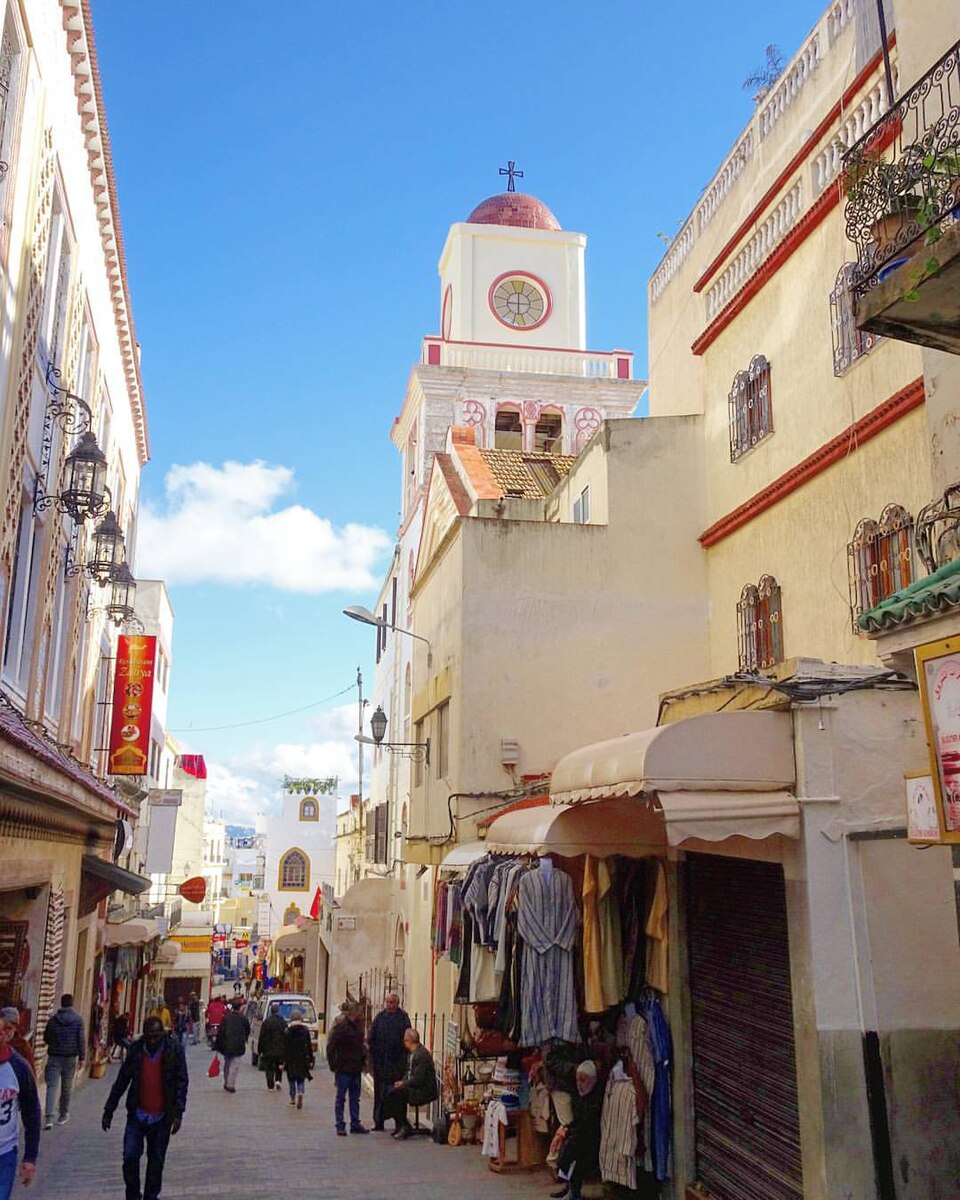
This long alley offers a depth-of-field opportunity with its vibrant shop displays and characteristic hanging lanterns. It is a classic Tangier Medina landmark where the perspective draws the viewer toward the bustling market end.
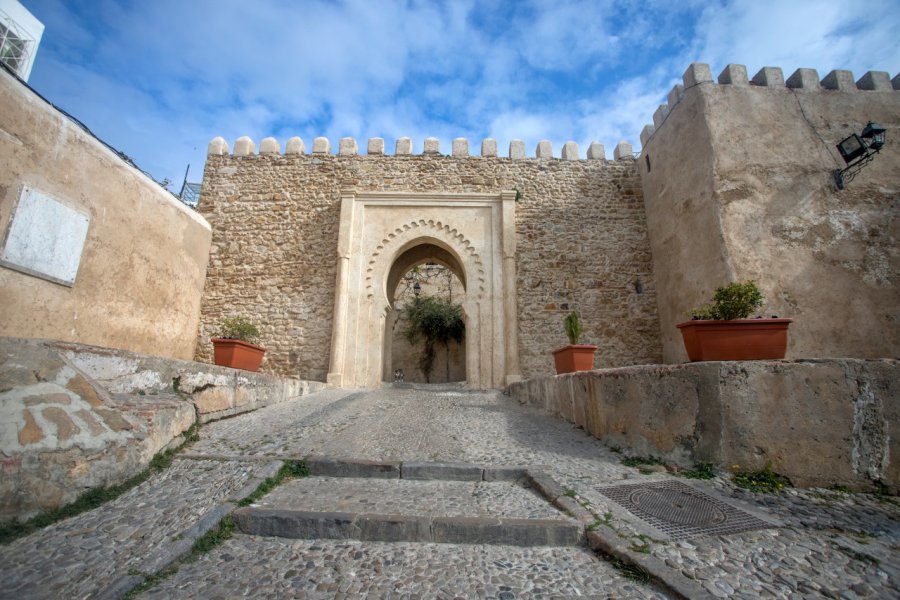
Focus on the arched gateway that separates the Kasbah from the rest of the city to frame your subject against the textured masonry. This spot is frequently included in a 2 day trip from seville to morocco tour itinerary for its authentic historic character.
Planning a 2 day trip from seville to morocco is a rewarding adventure that introduces children to the vibrant atmosphere of the Tangier Medina. Navigating these historic, winding alleyways requires patience and preparation, but the cultural exposure makes this 2 day trip from seville to morocco tour a unique educational experience for families.
Avoid strollers as the Medina has many steps and narrow, uneven paths that are difficult to navigate; a baby carrier is highly recommended.
This destination is best suited for school-aged children who can manage walking on irregular terrain during this 2 day trip from seville to morocco tickets bundle.
Public restrooms are scarce within the ancient city walls, so plan accordingly by utilizing facilities at cafes before entering deeper sections of the market.
The best arrival window is 09:00–11:00 to avoid mid-day heat and enjoy a peaceful, less crowded walk through the alleys.
Bring plenty of water and snacks for your children, as navigating the labyrinthine passages of these 2 day trip from seville to morocco tours can take longer than expected.
Exploring the vibrant Tangier Medina during your 2 day trip from seville to morocco offers a culinary journey through traditional spice-laden tagines and mint tea. While the historic district itself serves as a bustling gateway for this 2 day trip from seville to morocco tour, several authentic eateries lie just steps away from the main alleys.
Located on the edge of the Kasbah with panoramic views of the sea, this venue serves traditional Moroccan salads and house-made pastries. It is an ideal spot to relax after securing your 2 day trip from seville to morocco tickets.
Everything you need to know for your journey
The Medina is open 00:00–23:59 daily, allowing flexibility for your 2 day trip from seville to morocco.
There is 0 MAD entrance fee for public areas of the Medina for your 2 day trip from seville to morocco.
For a peaceful 2 day trip from seville to morocco, arrive between 09:00–11:00 to avoid heat.
The Medina has many stairs and uneven paths, which may limit accessibility during your 2 day trip from seville to morocco.
Bring comfortable shoes, water, and local currency for your 2 day trip from seville to morocco.
Yes, photography is generally allowed, but be respectful during your 2 day trip from seville to morocco.
Yes, numerous cafes and vendors operate within the Medina throughout your 2 day trip from seville to morocco.
Most travelers start at the Grand Socco during their 2 day trip from seville to morocco.
Yes, walking is safe, but remain aware of your surroundings during your 2 day trip from seville to morocco.
The 2 day trip from seville to morocco tour prices are determined by your selected operator and transport options.
Join thousands of happy travelers who have discovered this incredible experience
Book Your Experience Now