
Quick answer
The journey from Seville to Morocco requires travel to Tarifa (approximately two hours by bus or car), followed by a ferry crossing to Tangier that takes one hour. Frequent departures operate daily between 08:00 and 18:00, with border formalities conducted onboard and at Tangier port. The Tarifa ferry terminal is open 24 hours, though daylight crossings simplify passport control and onward connections in Morocco.
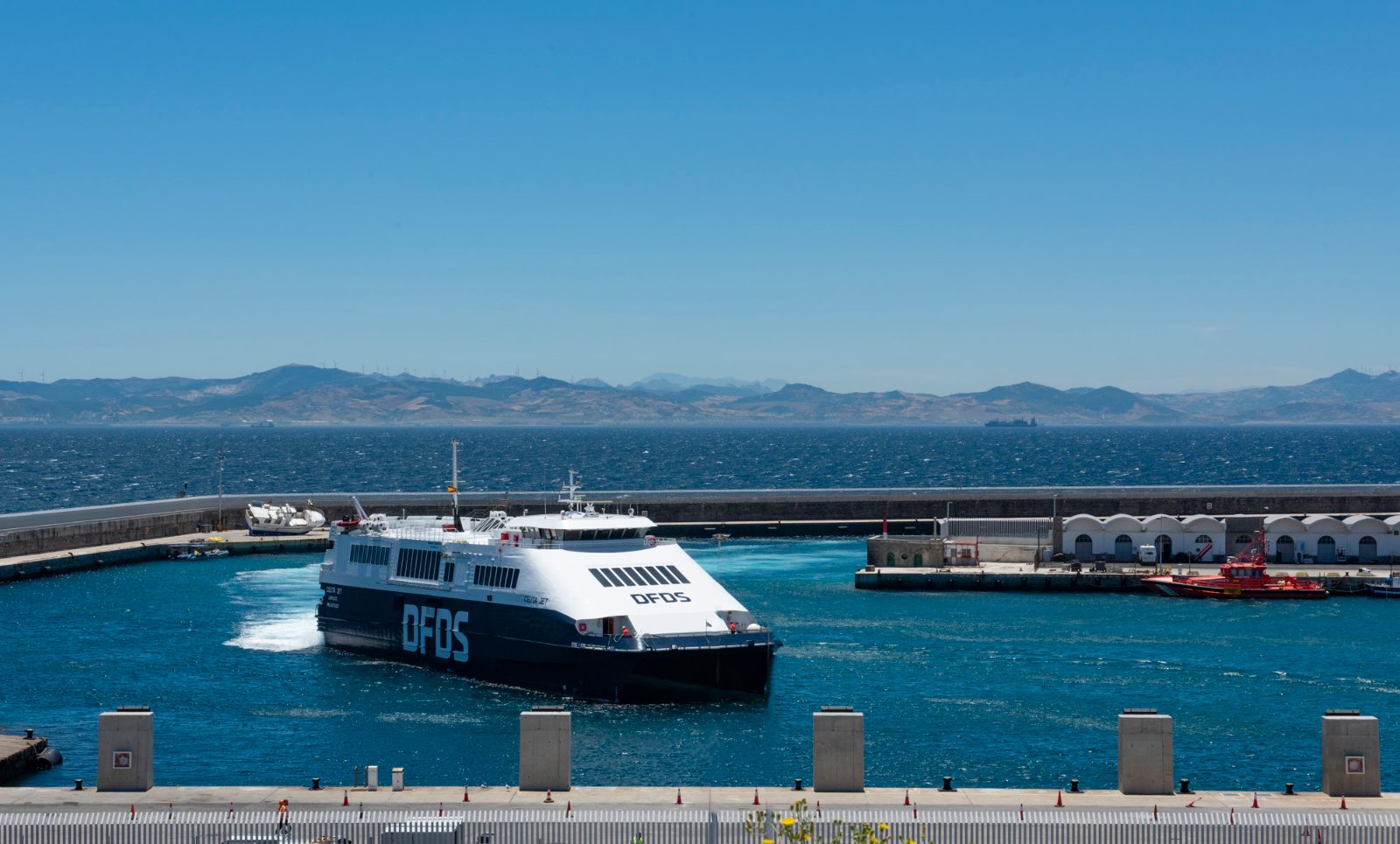
Tarifa holds the distinction of being continental Europe's southernmost point, positioned just 14 kilometers from the African coast. The Strait of Gibraltar narrows here to its thinnest passage, making the port the logical departure point for travelers bound for Tangier. Most visitors beginning in Seville face a two-stage journey. Road connections between Seville and Tarifa run primarily via the A-381 and A-48 highways, with scheduled bus services departing from Prado de San Sebastián station and reaching Tarifa in roughly two hours. Private vehicle travel follows the same corridor, though parking near the Estación Marítima requires advance consideration during peak travel windows. Upon arrival in Tarifa, ferry operators run frequent departures throughout the daylight hours, with vessels designed for the short but occasionally turbulent crossing. Passengers complete initial passport screening before boarding, while Moroccan immigration and customs procedures occur upon disembarkation at Tangier's port terminal. The crossing itself covers approximately 35 kilometers of open water, with journey times held to one hour by modern fast ferries. Weather conditions in the Strait can shift rapidly—easterly winds known locally as the Levante and westerly Poniente systems occasionally delay or suspend service, particularly during winter months. Travelers departing Seville in the morning can typically complete the full journey to Tangier by early afternoon, allowing sufficient time for exploration before return ferry schedules tighten in the evening. Those planning a same-day return circuit should account for a minimum of ten hours between outbound and inbound crossings to accommodate border formalities and any schedule variations. The port infrastructure at Tarifa remains functional around the clock, though the concentration of departures during business hours reflects both passenger demand and operational efficiency. Tangier's receiving terminal, the Tanger-Ville port, sits within walking distance of the medina, though taxi services and onward bus connections streamline the transition into the city proper.
“The Strait of Gibraltar narrows to just 14 kilometers at Tarifa, making it the natural gateway for European travelers bound for North Africa.”
How to get from Seville to Morocco: Connecting via Tarifa
The journey from Seville to Tangier involves a two-stage transit, beginning with a drive or bus trip to the port of Tarifa. From there, ferries provide direct sea transit across the Strait of Gibraltar to Morocco.
Damas bus from Seville Prado de San Sebastián to Tarifa
A-4 and N-340 roads from Seville to Tarifa
Ferry from Puerto de Tarifa to Tangier Ville
A Step-by-Step Guide on How to Get from Seville to Morocco
The journey from Seville to Morocco requires coordinating overland travel to Tarifa with a ferry crossing to Tangier. The entire process takes approximately 4-5 hours, including border formalities.
Depart Seville for Tarifa
Take a bus from Prado de San Sebastián station or drive south on the A-381 and A-48 highways. Most travelers miss the fact that direct buses run only 2-3 times daily, so verify departure times in advance.
Arrive at Tarifa Port Terminal
The terminal is located at Estación Marítima in Puerto de Tarifa. Entry to the terminal building is free, but you'll need a valid ferry ticket to proceed past the check-in desks.
Complete check-in and passport control
Present your ferry ticket and passport at the ferry company counter, then proceed through Spanish exit control. Arrive at least 60 minutes before departure, as lines lengthen during peak travel periods and border processing can be slower than expected.
Board the ferry to Tangier
Follow boarding announcements for your specific ferry company and departure time. The crossing to Tangier takes 35-60 minutes depending on your ferry type and sea conditions.
Clear Moroccan immigration in Tangier
After disembarking at Tangier Port, queue for Moroccan passport control and customs inspection. Keep your passport and any required entry documents accessible, as officers will stamp your entry and may ask about accommodation plans.
Best Arrival Window for How to Get from Seville to Morocco
The optimal time for transit is the best arrival window of 08:00–18:00, which ensures daylight for border processing and frequent ferry availability. Traveling within these hours maximizes visibility and simplifies logistics for your journey from Seville to Tangier.
Spring (April–May)
Moderate crowdsMild temperatures 15–23°C
Clear weather provides stable conditions for sea crossings and comfortable inland exploration.
Autumn (September–October)
Moderate crowdsPleasant temperatures 18–25°C
Reduced humidity makes these months ideal for navigating port logistics and city tours.
Weekday mornings
Lower volume—
Arriving between 08:00 and 10:00 avoids peak weekend rushes at the port terminal.
Verdict: The best slot is Tuesday to Thursday between 08:00 and 10:00 during the months of April or October.
Terminal Operating Hours for How to Get from Seville to Morocco
The Estación Marítima in Tarifa operates daily to facilitate transit between Spain and Morocco.
| Monday | 00:00–23:59 | |
|---|---|---|
| Tuesday | 00:00–23:59 | |
| Wednesday | 00:00–23:59 | |
| Thursday | 00:00–23:59 | |
| Friday | 00:00–23:59 | |
| Saturday | 00:00–23:59 | |
| Sunday | 00:00–23:59 |
Entrance Fees for How to Get from Seville to Morocco
Access to the Estación Marítima in Tarifa is free for all travelers. Official costs for transit depend exclusively on the ferry operator and ticket type selected for the crossing.
Travelers pay 0 EUR to enter the terminal, while the final cost for the journey is determined solely by the ferry operator's transit fees.
Documentation Checklist for How to Get from Seville to Morocco
Crossing from Spain to Morocco requires valid documentation and advance ferry booking.
-
Check passport validity (6+ months) — Moroccan immigration requires passports valid for at least six months beyond your travel date.
-
Book ferry tickets in advance — Tarifa-Tangier ferries operate frequently but capacity is limited, especially in peak season.
-
Verify visa requirements for Morocco — EU, US, Canadian, and UK citizens receive 90-day visa-free entry; other nationalities should confirm requirements.
-
Carry printed ferry confirmation — Border officials may request proof of onward travel during passport control.
-
Bring cash in euros or dirhams — Currency exchange is available at Tangier port, though rates are better in the city center.
-
Download offline maps of Tangier — Mobile data may not work immediately upon arrival until you arrange a local SIM or roaming.
Check availability
Frequently asked questions about traveling from Seville to Morocco
Everything you need to know about how to get from seville to morocco